Termite Inspection checks accessible foundation edges and wood; rainfall varies by elevation, so site scope matters. Typical inspections run $75–$200 based on property size and report scope.
Pest Identification in Arizona in Springerville, AZ
Unfamiliar insect parts, droppings, or tracks can leave you unsure what is sharing your home. Arizona Pest Pros helps Arizona property owners identify the pest behind the evidence and understand what that finding means.
Independent local providers Local pest control in Springerville, AZ
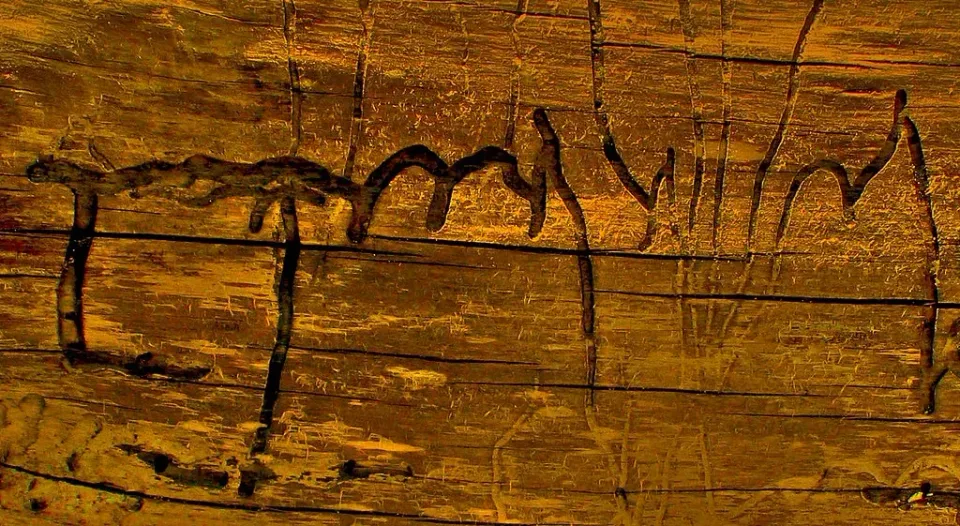
Check the License
Pest Control in Arizona is regulated by Arizona Department of Agriculture; ask any provider for their license number.
What a Visit Covers
A typical visit needs clear stored items from foundation walls.
Typical Price Range
General pest treatment often runs $100–$300 depending on home size and pest pressure; get a written quote first.
Scorpions Inside Bathrooms At
Scorpions inside bathrooms at night — worth a professional look when you notice it.
Service Details
What We Offer in Springerville, AZ
Scorpion treatment covers home perimeters and accessible entry areas; typical jobs run $150–$400, depending on perimeter size and access.
Cockroach Control targets kitchen and bathroom activity in homes and rentals; treatment scope and access affect the typical $100–$300 cost.
Bed bug treatment addresses affected bedrooms and furnishings; typical jobs run $300–$1,500, depending on room count and treatment method.
Wasp Nest Removal covers accessible nests and eave debris for Arizona homeowners; height, nest size, and access affect typical $150–$500 pricing.
Full-structure termite treatment for Arizona homes: soil termiticide zones, bait stations, and borate wood work, typically $500-$3,000 depending on treatment method and how far the infestation has spread.
Trapping, exclusion, and cleanup for mice, rats, and pack rats in Arizona homes. Rodent exclusion typically runs $200–$1,500 depending on entry points and repair work.
Ant Control for Arizona homes: inspection, baiting, and crack-and-crevice treatment of trails and nests, priced by colony size and access, often $100-$300.
Mosquito Control treats yard and patio areas for homeowners; typical visits run about $100–$300, depending on property size and mosquito pressure.
Bee removal for homes and businesses: hive inspection, treatment, and void sealing so colonies don't return. Cost shifts with hive size and access.
Tick treatment for Arizona yards and property edges typically runs $125–$350, depending on treated area and access.
Inspection, web removal, and perimeter treatment for homes with recurring spider activity. Cost runs $100-$300 depending on home size and spider pressure.
Gopher Control locates active tunnels and addresses burrowing damage in lawns and landscaped areas; typical jobs run about $150–$500, depending on yard size and access.
Flea treatment for homes and rentals: inspection, crack-and-crevice and carpet treatment, plus follow-up visits to break the egg cycle. Cost depends on home size and infestation level.
Emergency Pest Treatment in Arizona: urgent wasp, scorpion, and rodent response with inspection and same-visit treatment plans. Call (855) 681-0299.
Sealing entry points around foundations, rooflines, and utility penetrations for Arizona homes. Typical rodent exclusion runs $200 to $1,500 depending on gap count and repair work needed.
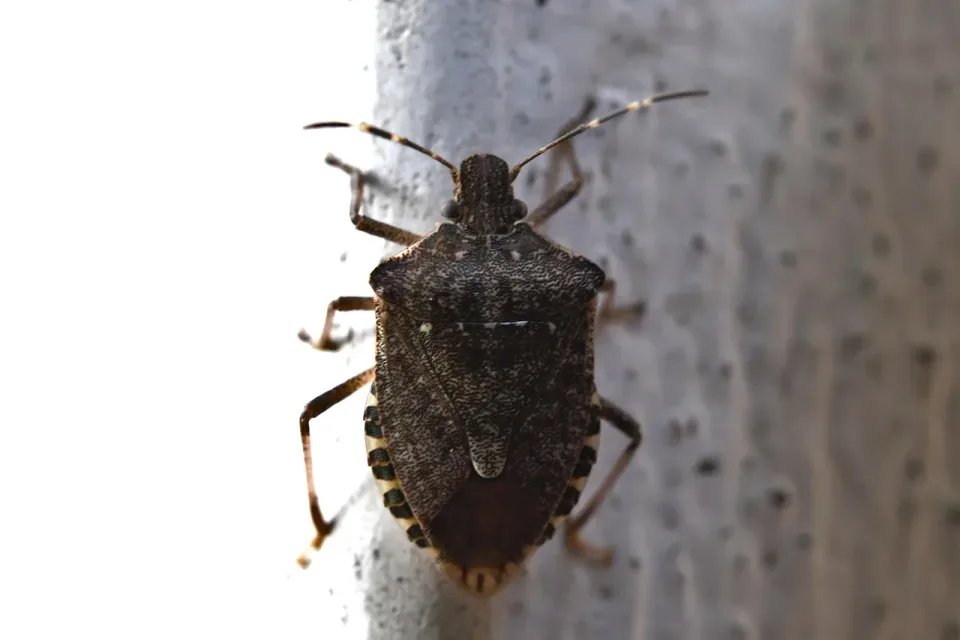
Why Springerville, AZ Homeowners Choose Arizona Pest Pros
- Local Coverage – Connecting customers with pest control providers in Springerville, AZ and nearby areas.
- Easy to Reach – Call or email to reach a local provider directly.
- Pricing by Provider – Each provider sets their own rates. Call to ask about pricing for your specific job.
- Full Service Range – Providers in our network cover Termite Inspection, Termite Treatment and more.
- Independent Providers – We connect you with third-party service professionals. Call before booking if you have questions.
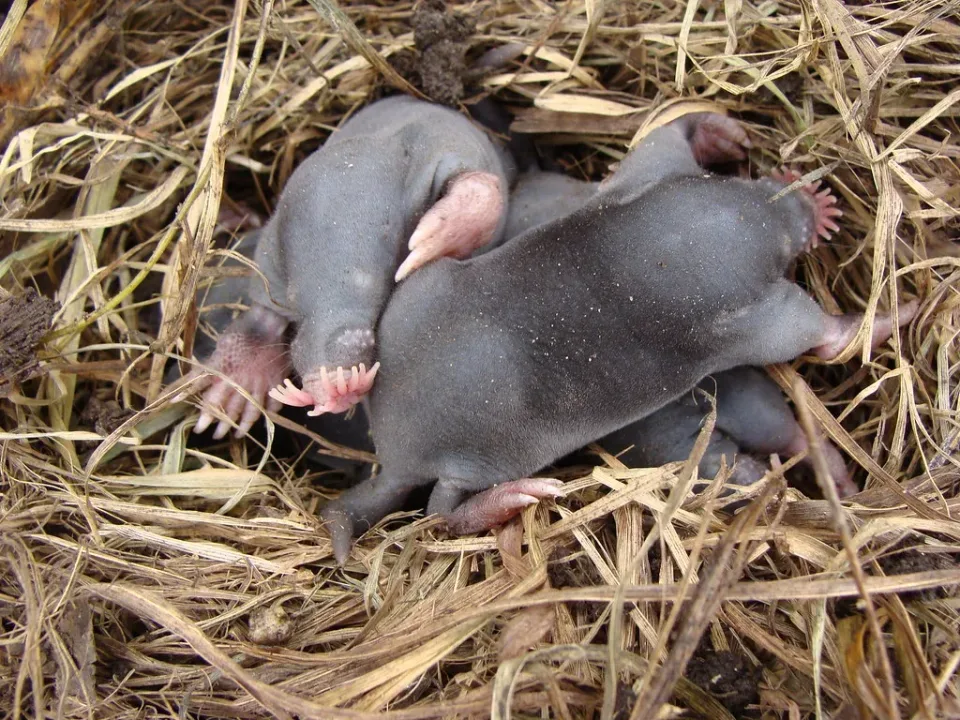
Identification Starts with Physical Evidence
A clear identification starts with evidence, not a guess from one blurry photo. We inspect the reported area, compare visible features, and define what the available evidence can support; a specimen or sharp image can help when the pest is no longer present. For example, a mouse can use an opening about 1/4 inch wide, so a small gap near a pipe may matter even when the animal is unseen.
At the Grand Canyon, dry surroundings are part of the setting; at a home, desert landscaping and irrigation can attract pests by creating shelter or moisture beside structures. We note those conditions without treating them as proof of a particular species.
Arizona’s low-desert winters are generally mild and dry, so sightings do not necessarily stop with cooler weather. We explain what we found, what remains uncertain, and what further inspection may be useful. For a scope review, call (855) 681-0299.
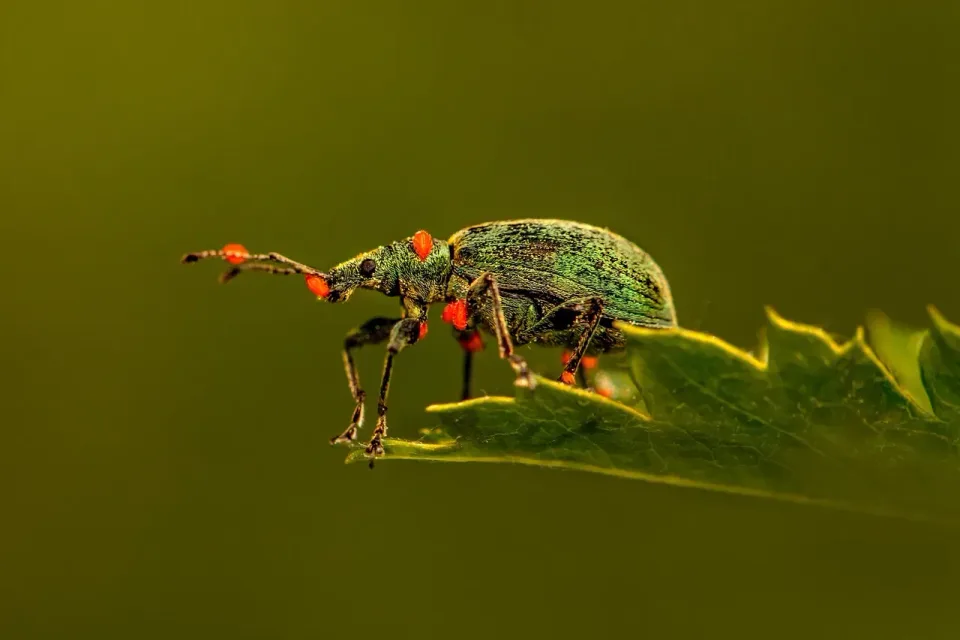
Recurring Evidence Can Mislead Identification
Scratching in the attic or insect traces beneath a sink can point to different pests, and a sign alone rarely identifies the source. At a home near Arizona State University Tempe campus, for example, a resident may notice activity without seeing the animal; we check the location, shape, and pattern of evidence before drawing a conclusion. You can safely photograph what you find and note the room and time, but avoid disturbing a nest or handling an unknown specimen.
In Downtown Phoenix, dry indoor air can leave small remains brittle or difficult to distinguish, so a damaged specimen may not show the features needed for confident identification. Cold snaps can drive rodents into buildings, making fresh attic sounds worth documenting rather than dismissing.
The Arizona-Sonora Desert Museum offers a useful reminder that Arizona has diverse wildlife; an animal seen outdoors is not automatically the source of indoor evidence. We compare clues and explain uncertainty plainly. If signs recur or the source remains unclear, ask our crew to assess the evidence.
How Do Monsoon Conditions Affect an Inspection?
We begin by recording what you observed and where it appeared, then agree on the areas to inspect. That keeps the identification focused on the evidence you actually have.
Next, we examine accessible surfaces and any specimen or photo you provide. Summer monsoon storms typically arrive July through September, and standing water after storms supports mosquito breeding; report recent pooling so we can distinguish a seasonal outdoor condition from evidence inside the property.
Near Sedona Red Rock State Park, changing terrain and elevation can make outdoor conditions differ from those at a home, so we assess the specific site rather than assume one pattern fits all of Arizona. Arizona Snowbowl is another reminder of regional elevation differences; a local inspection should account for the property’s own setting.
We summarize the likely identification, supporting clues, and any limits on certainty. The assessment does not automatically include treatment. We confirm any next step with you before work begins.
How We Prevent a Wrong Pest Guess
A report of activity near Walnut Canyon National Monument or a home by Watson Lake still needs evidence from the actual property; local geography alone cannot identify a pest. Annual rainfall varies widely by elevation and region, so assumptions based on another community can send a homeowner toward the wrong explanation.
We compare the specimen’s visible features with the location and pattern of the signs, then tell you what supports the identification and what does not. High-elevation Flagstaff winters bring snow and freezing temperatures, which can change when animals seek shelter; we consider the timing you observed rather than applying a low-desert assumption everywhere.
Near Antelope Canyon, outdoor conditions are not a substitute for checking an indoor trace. That distinction can prevent an unsupported treatment choice.
We also explain what additional access or evidence would improve confidence before recommending further work. You receive a plain-language finding and a chance to confirm the plan. If you are unsure what a photo or specimen shows, share what you have for a careful scope review.
Inspection Scope Shapes Identification Fees
A few insect fragments in one room take a different assessment than signs spread through an attic and several living areas. Property size, access, evidence quality, and the number of areas to inspect shape the scope; no single flat fee fits every identification job.
Phoenix-area summer highs often exceed 100°F, so access to a hot attic can affect how the visit is planned. Dust storms reduce visibility and deposit dust indoors, which may obscure small traces and require closer examination of the reported area.
Near Lake Powell, a property’s setting can differ from a home close to Lowell Observatory, so travel and site conditions may also affect the quote. Those local differences matter more than a guess based on a brief description.
We explain the proposed inspection scope before work begins. An identification assessment is not automatically a treatment, and any added work should be discussed separately. Final quotes vary by infestation, property access, treatment method, and site conditions. Call Arizona Pest Pros at (855) 681-0299 for a quote matched to the job.
Local Factors
Pest Control Tips for Springerville, AZ Homes
More guidance and practical advice related to Pest Identification.
Expert Tip
What to Ask Before Hiring an Arizona Pest Control Company
Learn what to check about Arizona pest control licensing, pesticide labels, service options, preparation, and treatment records before hiring. Read our guide.
Expert TipWhy Cockroaches Gather Beneath Kitchen Sinks
Learn why roaches shelter beneath kitchen sinks, what to check for moisture and hiding places, and when to seek help in Arizona. Read our guide.
Expert TipTermite Mud Tubes on Arizona Foundations: What Do They Mean?
Learn how to assess termite shelter tubes, prepare for an inspection, and compare treatment options for Arizona foundations. Read our guide.
Common Questions
Pest Control FAQs in Springerville, AZ
Can Pest Identification tell whether scratching in my attic is from rodents?
Pest Identification can compare the sound’s location and any droppings, gnaw marks, or nesting material, but sound alone may not confirm an animal. Cold snaps can drive rodents indoors, so note when the noise occurs and avoid disturbing attic materials before an inspection.
What should I send before booking Pest Identification?
Send clear photos, the room or exterior area where the evidence appeared, and when you noticed it; include a specimen only if it can be collected safely. An opening about 1/4 inch wide can admit a mouse, so a photo of a nearby gap may also help explain the site.
Does Pest Identification in Arizona include pesticide application?
No, identifying a pest does not by itself mean pesticide will be applied. If treatment is later proposed, EPA pesticide labels specify application directions and precautions, and our crew should explain the plan before work proceeds.
How soon can Pest Identification distinguish bed bug eggs from other debris?
Pest Identification depends on the visible condition and quality of the sample; debris that is crushed or incomplete may not allow a confident finding. Bed bug eggs commonly hatch within 6–10 days, so preserve the suspected evidence and record when you found it rather than relying on timing alone.
Can Pest Identification help when termite activity is suspected year-round?
Yes, termite activity can occur year-round in Arizona, and an inspection can help determine whether a trace is consistent with termite evidence. A formal report has a different scope from a general identification visit, so tell Arizona Pest Pros if you need a documented inspection.
Get a Quote
Need Pest Identification in Arizona near Papago Park?
For evidence near Chase Field, around Papago Park, or by Meteor Crater, call Arizona Pest Pros at (855) 681-0299 to request Pest Identification and review the scope.
Cities & Towns
Service Areas in Springerville
Select a city to find local pest control providers we cover in Springerville.
Sun City, AZ85373Golden Valley, AZ86413Safford, AZ85546Avondale, AZ85353Oro Valley, AZ85755St. Johns, AZ85936Tucson Estates, AZ85713Sierra Vista, AZ85650Saddlebrooke, AZ85623Winslow, AZ86047Sun Lakes, AZ85248Catalina Foothills, AZ85750Casa Grande, AZ85194Linden, AZ85901Clarkdale, AZ86324Swift Trail Junction, AZ85546Eagar, AZ85938Village of Oak Creek, AZ86351Taylor, AZ85939Youngtown, AZ85363Oracle, AZ85623Black Canyon City, AZ85324Apache Junction, AZ85119Avenue B and C, AZ85364
Show all 152 cities
Wellton, AZ85356Red Rock, AZ85131Douglas, AZ85608Sun City West, AZ85375Joseph City, AZ86032Bisbee, AZ85603Nogales, AZ85621Summit, AZ85756San Manuel, AZ85631Cordes Lakes, AZ86333Buckeye, AZ85326Sedona, AZ86336Lake of the Woods, AZ85929Valle Vista, AZ86401Cornville, AZ86325Sahuarita, AZ85629Clifton, AZ85533Doney Park, AZ86004Scottsdale, AZ85259Eloy, AZ85131Florence, AZ85132Snowflake, AZ85937Lake Havasu City, AZ86403Gilbert, AZ85233New River, AZ85086Prescott, AZ86305