Scorpion treatment covers home perimeters and accessible entry areas; typical jobs run $150–$400, depending on perimeter size and access.
Termite Inspection in Arizona in Springerville, AZ
A termite mud tube at a foundation joint deserves a closer look, even when the nearby wood still feels firm. Arizona Pest Pros inspects homes across Arizona, where high-elevation Flagstaff winters bring snow and freezing temperatures, roof rats and insects may seek shelter during heat, and Roosevelt Row Arts District properties face their own inspection needs.
Independent local providers Local pest control in Springerville, AZ

Check the License
Pest Control in Arizona is regulated by Arizona Department of Agriculture; ask any provider for their license number.
What a Visit Covers
A typical visit needs clear stored items from foundation walls.
Typical Price Range
General pest treatment often runs $100–$300 depending on home size and pest pressure; get a written quote first.
Scorpions Inside Bathrooms At
Scorpions inside bathrooms at night — worth a professional look when you notice it.
Service Details
What We Offer in Springerville, AZ
Cockroach Control targets kitchen and bathroom activity in homes and rentals; treatment scope and access affect the typical $100–$300 cost.
Bed bug treatment addresses affected bedrooms and furnishings; typical jobs run $300–$1,500, depending on room count and treatment method.
Wasp Nest Removal covers accessible nests and eave debris for Arizona homeowners; height, nest size, and access affect typical $150–$500 pricing.
Full-structure termite treatment for Arizona homes: soil termiticide zones, bait stations, and borate wood work, typically $500-$3,000 depending on treatment method and how far the infestation has spread.
Trapping, exclusion, and cleanup for mice, rats, and pack rats in Arizona homes. Rodent exclusion typically runs $200–$1,500 depending on entry points and repair work.
Ant Control for Arizona homes: inspection, baiting, and crack-and-crevice treatment of trails and nests, priced by colony size and access, often $100-$300.
Mosquito Control treats yard and patio areas for homeowners; typical visits run about $100–$300, depending on property size and mosquito pressure.
Bee removal for homes and businesses: hive inspection, treatment, and void sealing so colonies don't return. Cost shifts with hive size and access.
Tick treatment for Arizona yards and property edges typically runs $125–$350, depending on treated area and access.
Pest Identification examines insect remains, droppings, and entry evidence in homes or commercial spaces; scope and access shape the assessment fee.
Inspection, web removal, and perimeter treatment for homes with recurring spider activity. Cost runs $100-$300 depending on home size and spider pressure.
Gopher Control locates active tunnels and addresses burrowing damage in lawns and landscaped areas; typical jobs run about $150–$500, depending on yard size and access.
Flea treatment for homes and rentals: inspection, crack-and-crevice and carpet treatment, plus follow-up visits to break the egg cycle. Cost depends on home size and infestation level.
Emergency Pest Treatment in Arizona: urgent wasp, scorpion, and rodent response with inspection and same-visit treatment plans. Call (855) 681-0299.
Sealing entry points around foundations, rooflines, and utility penetrations for Arizona homes. Typical rodent exclusion runs $200 to $1,500 depending on gap count and repair work needed.
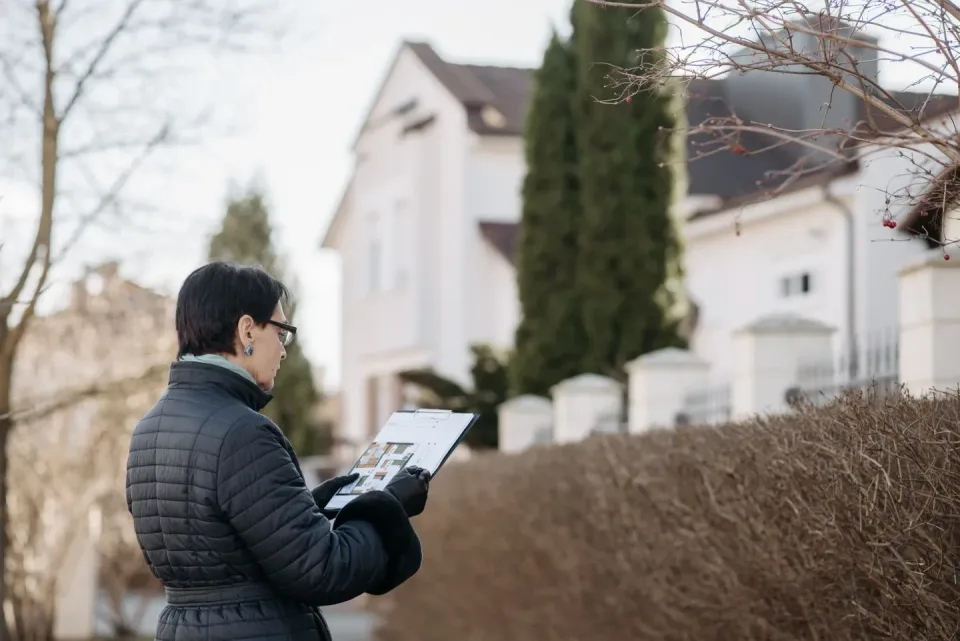
Why Springerville, AZ Homeowners Choose Arizona Pest Pros
- Local Coverage – Connecting customers with pest control providers in Springerville, AZ and nearby areas.
- Easy to Reach – Call or email to reach a local provider directly.
- Pricing by Provider – Each provider sets their own rates. Call to ask about pricing for your specific job.
- Full Service Range – Providers in our network cover Termite Inspection, Termite Treatment and more.
- Independent Providers – We connect you with third-party service professionals. Call before booking if you have questions.
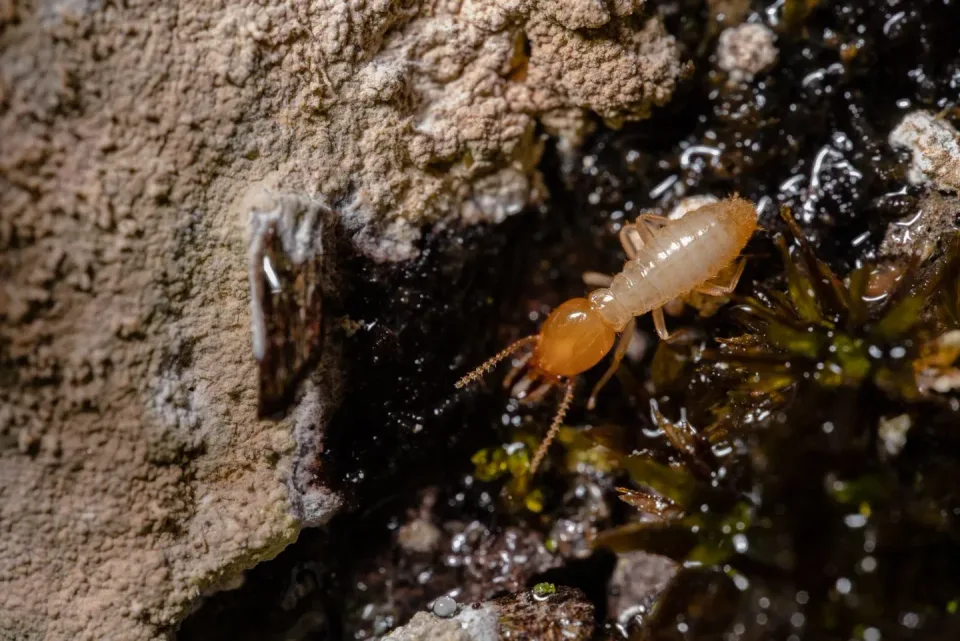
How We Inspect Arizona Foundations and Wood
Our Termite Inspection starts with a visual review of accessible foundation edges, framing, and other areas where termite evidence may be visible. We distinguish a mud tube or damaged wood from conditions that need closer review, then explain the inspection scope and report limits in plain language.
Arizona Snowbowl’s elevation and winter conditions are a reminder that a property inspection must account for local setting, not just a checklist. At Montezuma Castle National Monument, centuries-old structures make the value of observing building materials easy to appreciate; a current home inspection, of course, is limited to accessible areas. Near Petrified Forest National Park, the landscape also illustrates how varied Arizona sites can be.
We review findings before discussing any next step; an inspection does not automatically mean treatment is needed. For a scope review, call (855) 681-0299.
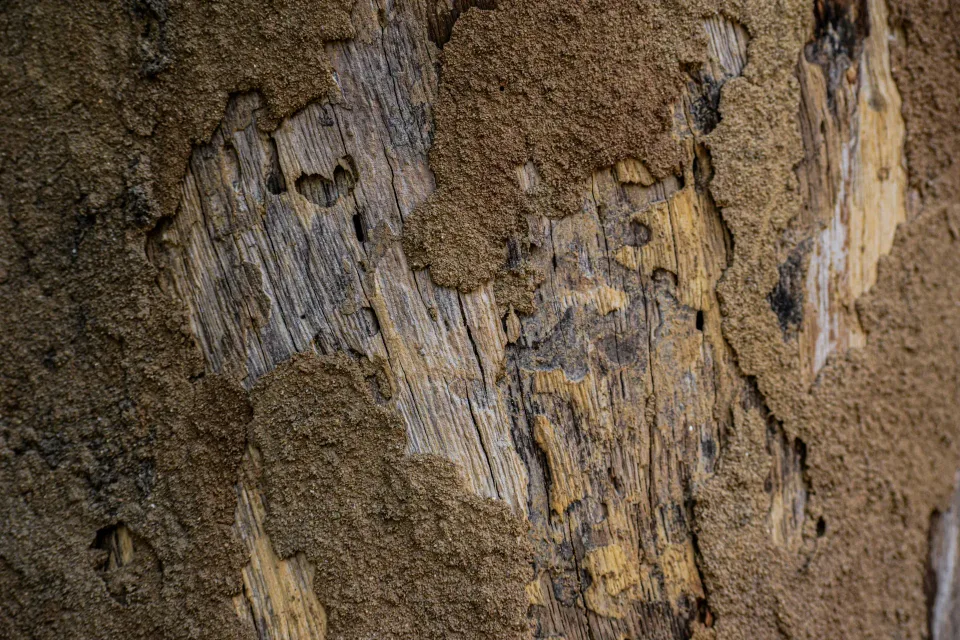
How to Assess Termite Tubes at the Foundation
A narrow mud tube along a foundation can be easy to mistake for dried soil. Do not scrape it away before documenting it. Termite evidence can be concealed where soil, stored items, or landscaping limit the view, so we note access constraints and inspect the adjoining visible areas rather than claiming to see behind a wall.
Across Arizona, Antelope Canyon’s layered walls show how a surface can hide what lies beyond it; a home’s foundation edge also needs careful observation, not assumptions. The Arizona State University Tempe campus is another local landmark, where property owners can use the same practical rule: keep inspection access clear around building edges. Camelback Mountain’s varied terrain is a reminder that site conditions differ across the state, though they do not by themselves confirm termite activity.
Check the tube from a safe distance and take a photo. Our crew records its location and visible condition. For background, see what termite mud tubes on Arizona foundations can mean; ask us to inspect if evidence remains or access is unclear.
What Happens During a Termite Inspection?
We begin by confirming the property address, inspection purpose, and areas the owner wants reviewed. Next, we walk accessible exterior edges and interior areas relevant to the requested scope, noting visible termite evidence and any blocked or concealed locations.
The inspection is visual and access-dependent. The crew explains that limit before the customer relies on the findings.
Intense sun can degrade exposed sealants and exterior materials, so we distinguish worn building material from evidence that warrants further termite assessment. Low-desert summers bring prolonged extreme heat; we plan the site visit with conditions in mind rather than leaving a customer unsure about access or timing.
The scale of Chase Field and the setting around Horseshoe Bend are reminders that structures and terrain differ; neither is a substitute for a property-specific inspection.
We summarize observations and report scope, then discuss whether follow-up is appropriate. Standing water after storms supports mosquito breeding, but it is not itself proof of termites. Our review stays focused on the termite inspection requested.
A Careful Inspection Avoids False Conclusions
A homeowner near Walnut Canyon National Monument may find a tube or damaged wood and wonder whether a quick surface check is enough. Often it is not. A rushed look can miss the edge of visible activity or mistake weathered material for termite evidence.
Our crew records what can be seen, points out where access is limited, and explains the difference between an observation and a confirmed conclusion. That distinction matters around properties near Watson Lake, where site conditions may differ from those in other parts of Arizona; the landmark itself does not determine whether termites are present.
Chapel of the Holy Cross draws visitors to a distinct built setting, while Lake Powell’s shoreline illustrates how varied regional surroundings can be. We do not use a landmark or climate as a diagnosis.
Summer monsoon storms typically arrive July through September, so homeowners should keep exterior inspection areas accessible after seasonal weather. We review findings in plain language and confirm the scope before recommending next steps. If a report or visible evidence raises questions, read what to ask before hiring an Arizona pest control company or call us to discuss the inspection.
How to Plan for Inspection Scope and Price
A large property, restricted access, or a request for a detailed report can change the time and scope of a termite inspection. A typical inspection is $75–$200, with property size and report scope driving the range; it is not a treatment price.
We confirm which areas are accessible and what documentation is needed before setting a final quote. Phoenix-area summer highs often exceed 100°F, so scheduling and access may need practical planning in hot weather.
Desert landscaping and irrigation can attract pests, and dense planting can also make foundation edges harder to inspect. Northern Arizona freeze-thaw cycles stress exterior materials, which may add questions when visible damage needs careful distinction from termite evidence.
Pima Air & Space Museum and State Farm Stadium are recognizable Arizona landmarks, but neither sets an inspection price; the property itself does.
Spring winds carry dust and pollen, so tell us if recent conditions have obscured exterior details. Contact Arizona Pest Pros at (855) 681-0299 for a final quote matched to infestation concerns, property access, treatment method, and site conditions.
Local Factors
Pest Control Tips for Springerville, AZ Homes
More guidance and practical advice related to Termite Inspection.
Expert Tip
What to Ask Before Hiring an Arizona Pest Control Company
Learn what to check about Arizona pest control licensing, pesticide labels, service options, preparation, and treatment records before hiring. Read our guide.
Expert TipWhy Cockroaches Gather Beneath Kitchen Sinks
Learn why roaches shelter beneath kitchen sinks, what to check for moisture and hiding places, and when to seek help in Arizona. Read our guide.
Expert TipTermite Mud Tubes on Arizona Foundations: What Do They Mean?
Learn how to assess termite shelter tubes, prepare for an inspection, and compare treatment options for Arizona foundations. Read our guide.
Common Questions
Pest Control FAQs in Springerville, AZ
Can summer humidity near Tucson International Airport affect a Termite Inspection?
Yes, summer humidity rises during monsoon season, and moisture conditions can make visible property details worth discussing during a Termite Inspection. Tell the inspector about recent leaks or damp areas; the Arizona-Sonora Desert Museum is a local landmark, not a measure of conditions at your home.
Does dry air in Downtown Phoenix change a Termite Inspection?
Dry air increases evaporation and desiccation, but dry surface conditions do not by themselves rule out termite evidence. Share where you noticed a change in wood or a foundation tube so the inspection can focus on accessible areas.
Should I arrange a Termite Inspection before a home sale in Old Town Scottsdale?
Yes, arranging an inspection early gives time to clarify the requested report scope and access before a transaction deadline. Old Town Scottsdale is a recognizable location, but the report reflects the specific property and the areas an inspector can reach.
What should I prepare before a Termite Inspection in Flagstaff Historic Downtown?
Clear access to the foundation edge and note any areas blocked by stored items, landscaping, or repairs; photos of suspected evidence can help explain your concern. Flagstaff Historic Downtown identifies the location, while property size and report scope shape the inspection request.
Does monsoon humidity affect Termite Inspection scheduling near Tucson?
Yes, summer humidity rises during monsoon season, so mention recent moisture or access issues when arranging a Termite Inspection. The crew can clarify which areas are available to inspect and explain any limits in the resulting report.
Get a Quote
Ready to Arrange Termite Inspection in Arizona?
A property near Grand Canyon National Park may have different access and inspection needs from a home near Phoenix Sky Harbor International Airport, so share the site location and what you want documented when arranging service.
Cities & Towns
Service Areas in Springerville
Select a city to find local pest control providers we cover in Springerville.
Doney Park, AZ86004Payson, AZ85541Glendale, AZ85301San Manuel, AZ85631Verde Village, AZ86326New River, AZ85086Drexel Heights, AZ85757Maricopa, AZ85138Desert Hills, AZ86404Catalina, AZ85739Globe, AZ85501Superior, AZ85173Surprise, AZ85361Parker, AZ85344El Mirage, AZ85335Flowing Wells, AZ85705Sahuarita, AZ85629Cornville, AZ86325Paradise Valley, AZ85253Picture Rocks, AZ85653Carefree, AZ85377Kayenta, AZ86033Rio Rico, AZ85640Chino Valley, AZ86323
Show all 152 cities
Yuma, AZ85365Prescott, AZ86305Window Rock, AZ86515Somerton, AZ85350Kachina Village, AZ86005Tolleson, AZ85353Florence, AZ85132Tuba City, AZ86045Chandler, AZ85248Tucson, AZ85705Phoenix, AZ85009Arizona City, AZ85193Oro Valley, AZ85755Tucson Mountains, AZ85743Youngtown, AZ85363Thatcher, AZ85552Clarkdale, AZ86324Queen Creek, AZ85142Sedona, AZ86336Eagar, AZ85938Sacaton, AZ85147Litchfield Park, AZ85340Pinetop-Lakeside, AZ85935Williamson, AZ86305Bisbee, AZ85603Heber-Overgaard, AZ85933