Termite Inspection checks accessible foundation edges and wood; rainfall varies by elevation, so site scope matters. Typical inspections run $75–$200 based on property size and report scope.
Ant Control in Arizona - Inspection & Perimeter Treatment in Springerville, AZ
Ant trails crossing your kitchen counter usually mean a colony is feeding somewhere behind the wall. Arizona Pest Pros traces the trail to its source instead of just spraying the ants you can see. Our Arizona technicians handle inspection, crack-and-crevice treatment, and follow-up checks for homes statewide.
Independent local providers Local pest control in Springerville, AZ

Check the License
Pest Control in Arizona is regulated by Arizona Department of Agriculture; ask any provider for their license number.
What a Visit Covers
A typical visit needs clear stored items from foundation walls.
Typical Price Range
General pest treatment often runs $100–$300 depending on home size and pest pressure; get a written quote first.
Scorpions Inside Bathrooms At
Scorpions inside bathrooms at night — worth a professional look when you notice it.
Service Details
What We Offer in Springerville, AZ
Scorpion treatment covers home perimeters and accessible entry areas; typical jobs run $150–$400, depending on perimeter size and access.
Cockroach Control targets kitchen and bathroom activity in homes and rentals; treatment scope and access affect the typical $100–$300 cost.
Bed bug treatment addresses affected bedrooms and furnishings; typical jobs run $300–$1,500, depending on room count and treatment method.
Wasp Nest Removal covers accessible nests and eave debris for Arizona homeowners; height, nest size, and access affect typical $150–$500 pricing.
Full-structure termite treatment for Arizona homes: soil termiticide zones, bait stations, and borate wood work, typically $500-$3,000 depending on treatment method and how far the infestation has spread.
Trapping, exclusion, and cleanup for mice, rats, and pack rats in Arizona homes. Rodent exclusion typically runs $200–$1,500 depending on entry points and repair work.
Mosquito Control treats yard and patio areas for homeowners; typical visits run about $100–$300, depending on property size and mosquito pressure.
Bee removal for homes and businesses: hive inspection, treatment, and void sealing so colonies don't return. Cost shifts with hive size and access.
Tick treatment for Arizona yards and property edges typically runs $125–$350, depending on treated area and access.
Pest Identification examines insect remains, droppings, and entry evidence in homes or commercial spaces; scope and access shape the assessment fee.
Inspection, web removal, and perimeter treatment for homes with recurring spider activity. Cost runs $100-$300 depending on home size and spider pressure.
Gopher Control locates active tunnels and addresses burrowing damage in lawns and landscaped areas; typical jobs run about $150–$500, depending on yard size and access.
Flea treatment for homes and rentals: inspection, crack-and-crevice and carpet treatment, plus follow-up visits to break the egg cycle. Cost depends on home size and infestation level.
Emergency Pest Treatment in Arizona: urgent wasp, scorpion, and rodent response with inspection and same-visit treatment plans. Call (855) 681-0299.
Sealing entry points around foundations, rooflines, and utility penetrations for Arizona homes. Typical rodent exclusion runs $200 to $1,500 depending on gap count and repair work needed.

Why Springerville, AZ Homeowners Choose Arizona Pest Pros
- Local Coverage – Connecting customers with pest control providers in Springerville, AZ and nearby areas.
- Easy to Reach – Call or email to reach a local provider directly.
- Pricing by Provider – Each provider sets their own rates. Call to ask about pricing for your specific job.
- Full Service Range – Providers in our network cover Termite Inspection, Termite Treatment and more.
- Independent Providers – We connect you with third-party service professionals. Call before booking if you have questions.
Ant Control Built Around Arizona's Seasons
Our Ant Control work starts with an inspection, not a spray bottle. We follow the trail back to where ants enter, identify the species, and decide whether baiting, a perimeter treatment, or targeted crack-and-crevice work fits the situation. Species matters because the wrong product can split a colony and make the problem worse.
Arizona’s climate explains most of the ant calls we get. Annual rainfall here swings dramatically with elevation and region a few inches in the low desert, far more in the northern high country and colonies time their foraging to whatever moisture is available.
When monsoon storms finally arrive, well-fed colonies push indoors looking for food and water, which is why a treatment plan has to account for season, not just the ants on the counter today. Petrified Forest National Park shows the extreme end of this pattern: a high-desert landscape where dry conditions keep most insect activity compressed into short windows after rain.
Your yard works the same way on a smaller scale, so we time treatments to when colonies are actually foraging.
We confirm the plan with you before we treat anything, then schedule a reinspection to confirm activity has stopped. Call (855) 681-0299 and we will walk the property with you.
Why Are Ants Crossing My Kitchen Counter?
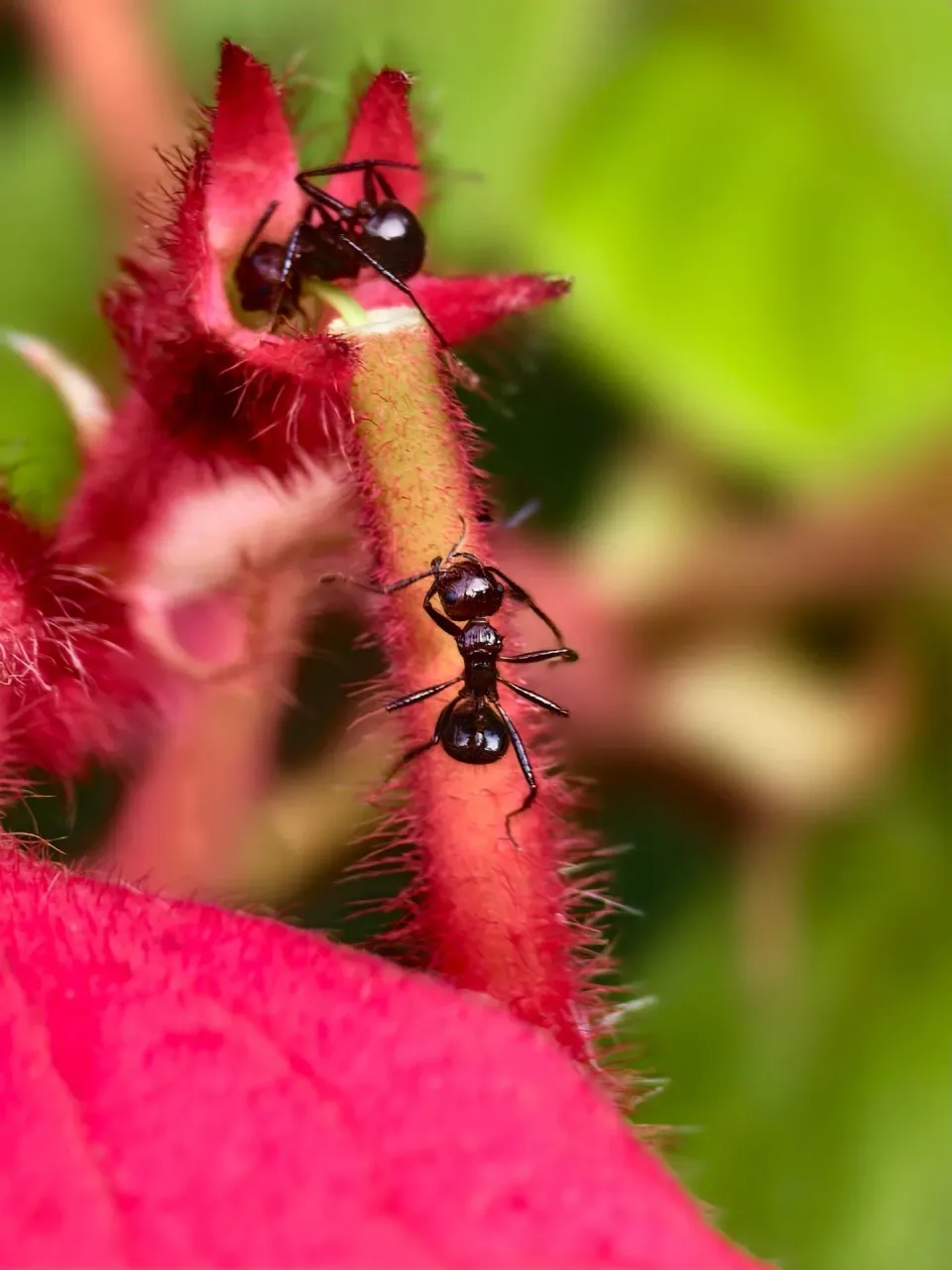
Ant trails along the kitchen counter are the call we get most. Worker ants follow a scent line between a food source and the nest, so wiping the counter does nothing while the colony stays active behind the baseboard. We trace that line, find the entry point, and treat where the ants live rather than where they walk.
Moisture is the second trigger. Summer monsoon storms typically arrive July through September, and standing water after storms gives colonies both a water source and softened soil to expand into. A homeowner near Watson Lake or anywhere with poor drainage will see activity spike after a wet week.
One check you can do yourself: dab a little honey near the trail and watch which direction the ants carry it. That direction tells us roughly where the nest sits. If the trail returns day after day, that is the point to bring in Arizona Pest Pros.
How Our Ant Treatment Process Works
The first step is a phone conversation about what you are seeing, because ant species and location change the whole plan. Then we schedule an inspection, usually within a few days, and walk the exterior perimeter and the interior rooms where activity shows.
-
Inspection: we identify the species and map entry points, nests, and food or moisture sources.
-
Plan confirmation: we explain the treatment options and get your approval before any product goes down.
-
Treatment: baiting or crack-and-crevice application placed where foraging ants contact it.
-
Follow-up: a reinspection to confirm the colony collapsed rather than relocated.
Timing matters here. Bait products work by being carried back to the nest, so activity often looks worse for a week before it stops.
Your landscape plays a role too: desert landscaping with gravel beds and drip irrigation creates cool, damp edges along the foundation where ants nest and forage, and those irrigation lines are usually where the colony actually lives not inside your walls. That is why our inspection always covers the drip emitters and irrigation boxes, not just the kitchen. We schedule the follow-up based on your yard’s conditions, not a generic calendar.
Why Professional Ant Control Gets Results
The most common DIY mistake we see is spraying a repellent product directly on the trail. It kills the workers you can see, but the queen keeps producing, and the surviving ants often bud into new colonies. You end up with more ants in more rooms than you started with.
We do it differently. Our technicians identify the species first, because carpenter ants, Argentine ants, and fire ants respond to completely different strategies.
We use non-repellent baits and targeted applications placed at entry points, and we check the places homeowners skip: irrigation boxes, slab expansion joints, and the weep holes in brick. Those damp, sheltered edges along desert landscaping are exactly where ants colonize, and a store-bought spray never reaches them.
Weather shifts matter too. When an Arizona cold snap hits, rodents and the ants sheltering near warm structures push into buildings fast, and a barrier treatment that made sense in October may need rethinking by January.
We also leave you a written explanation of what we found and what to fix. If activity persists at the reinspection, we adjust the plan rather than reselling you the same treatment.
What Does Ant Treatment Cost in Arizona?
Most single-home ant treatments in Arizona fall between $100 and $300, and what moves that number is the size of the home and how heavy the activity is. A one-time treatment of a single trail costs less than a full perimeter program for a property with multiple colonies.
- Single-room treatment: $100-$150, for one contained trail with a findable nest.
- Whole-home treatment: $150-$300, when activity shows in several rooms or the exterior perimeter needs a full barrier.
- Recurring service plans: priced per visit, for homes with repeat seasonal pressure.
Sun exposure is a real cost factor here. Intense Arizona sun degrades exposed sealants and exterior materials, so homes that need caulking or exclusion work repaired alongside treatment run higher than homes with a sound envelope. Spring winds carrying dust and pollen also push ants indoors, which can add a second seasonal visit.
Every property is different, so call Arizona Pest Pros at (855) 681-0299 for a quote matched to your actual inspection findings.
Local Factors
Pest Control Tips for Springerville, AZ Homes
More guidance and practical advice related to Ant Control.
Expert Tip
What to Ask Before Hiring an Arizona Pest Control Company
Learn what to check about Arizona pest control licensing, pesticide labels, service options, preparation, and treatment records before hiring. Read our guide.
Expert TipWhy Cockroaches Gather Beneath Kitchen Sinks
Learn why roaches shelter beneath kitchen sinks, what to check for moisture and hiding places, and when to seek help in Arizona. Read our guide.
Expert TipTermite Mud Tubes on Arizona Foundations: What Do They Mean?
Learn how to assess termite shelter tubes, prepare for an inspection, and compare treatment options for Arizona foundations. Read our guide.
Common Questions
Pest Control FAQs in Springerville, AZ
How much does Ant Control cost for a typical Arizona home?
Most single-home ant treatments run $100-$300, driven by home size and how heavy the activity is. A contained trail in one room sits at the low end, while a full perimeter program for repeat seasonal pressure costs more. Arizona Pest Pros confirms the price after an inspection, before any treatment starts.
Can I get rid of ants in the kitchen myself?
Yes, for a light, single-trail situation, but the method matters more than the effort. Spraying a repellent on the trail kills visible workers while the queen keeps laying eggs, and colonies often bud into new rooms. Bait carried back to the nest is the approach that actually collapses the colony, and that is where professional Ant Control earns its keep.
Are the products used for Ant Control regulated in Arizona?
Yes. Pesticides fall under FIFRA pesticide-registration requirements, and every product carries an EPA pesticide product label with application directions and instructions we are required to follow. Our applications are performed under Arizona Department of Agriculture licensing rules, and we can provide the Safety Data Sheet for anything we use in your home.
When should Ant Control be combined with a full pest service?
Combine Ant Control with broader Pest Control when ants keep returning despite treatment, since repeat activity often points to a moisture or exclusion issue feeding multiple pests. Homes with irrigation leaks, slab cracks, or nearby nesting sites benefit from a whole-property plan rather than treating one species at a time.
What does finished Ant Control look like?
Completion means the trail is gone and a reinspection confirms no new foraging activity, usually one to two weeks after bait placement. We leave a written summary of what we found, what we treated, and any sealing or moisture fixes we recommend. If activity persists at follow-up, we adjust the plan at no surprise cost to you.
Get a Quote
Book Your Ant Inspection Today
Ant pressure in Arizona follows water, and water follows elevation.
Cities & Towns
Service Areas in Springerville
Select a city to find local pest control providers we cover in Springerville.
Desert Hills, AZ86404Williamson, AZ86305Benson, AZ85602Lake of the Woods, AZ85929Fountain Hills, AZ85268Nogales, AZ85621Star Valley, AZ85541Winslow, AZ86047Chino Valley, AZ86323Black Canyon City, AZ85324Vail, AZ85641Buckeye, AZ85326Safford, AZ85546Clifton, AZ85533Village of Oak Creek, AZ86351Pima, AZ85543Flowing Wells, AZ85705Avra Valley, AZ85653Apache Junction, AZ85119Summit, AZ85756Ajo, AZ85321Verde Village, AZ86326San Luis, AZ85336Valle Vista, AZ86401
Show all 152 cities
Sierra Vista Southeast, AZ85650Oracle, AZ85623Corona de Tucson, AZ85641Taylor, AZ85939Williams, AZ86046Peoria, AZ85373Linden, AZ85901Kingman, AZ86409Fortuna Foothills, AZ85367Wellton, AZ85356Doney Park, AZ86004Douglas, AZ85608Joseph City, AZ86032Sells, AZ85634Arizona City, AZ85193Timberline-Fernwood, AZ86004Whetstone, AZ85616San Manuel, AZ85631Green Valley, AZ85622Casa Grande, AZ85194Holbrook, AZ86025Swift Trail Junction, AZ85546Snowflake, AZ85937Citrus Park, AZ85355Bullhead City, AZ86442Picture Rocks, AZ85653