Termite Inspection checks accessible foundation edges and wood; rainfall varies by elevation, so site scope matters. Typical inspections run $75–$200 based on property size and report scope.
Flea Treatment in Arizona in Springerville, AZ
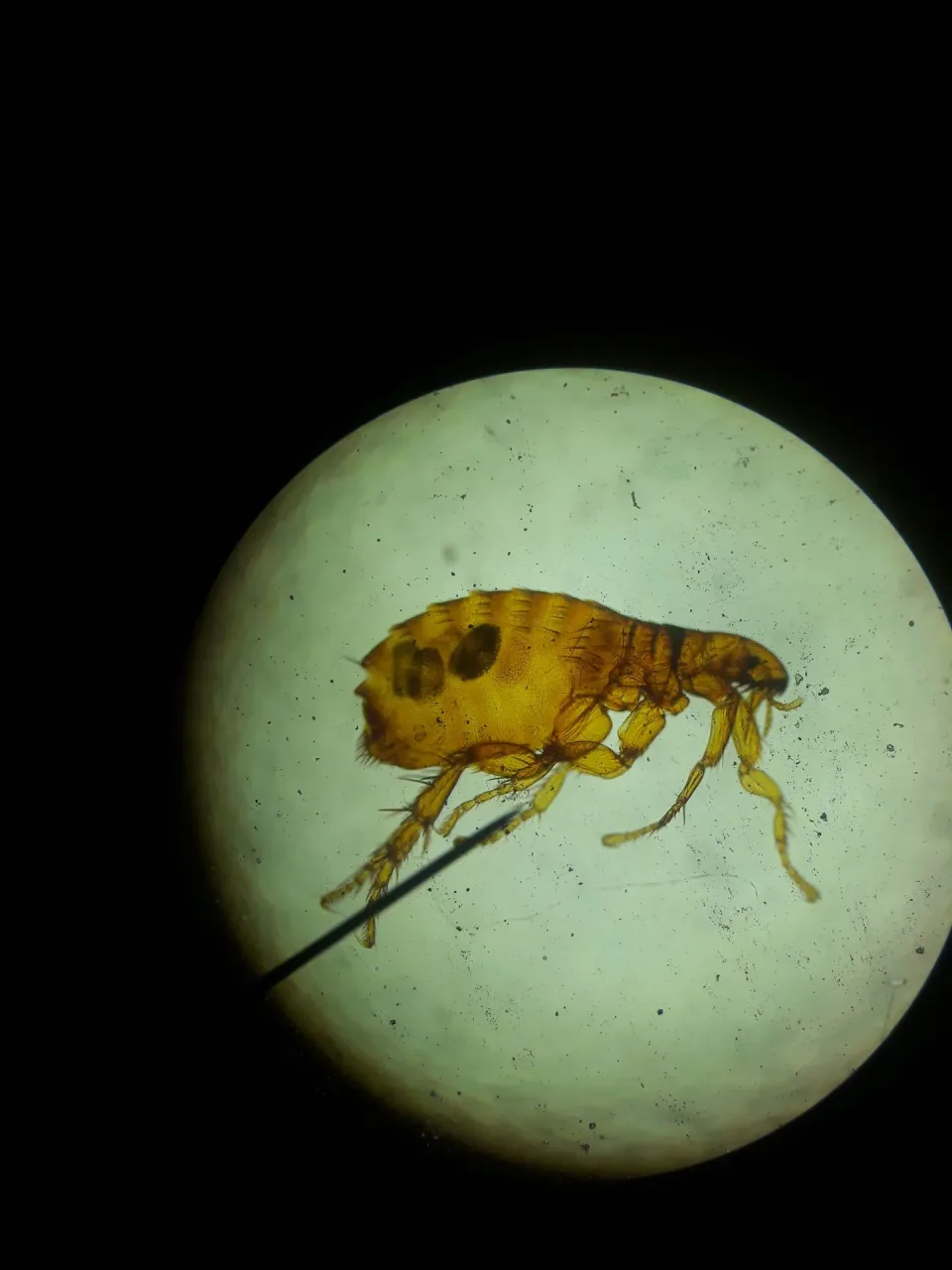
Ankle bites around baseboards after a pet moved out, or fleas hatching in a carpet weeks later that’s the lifecycle we break. Arizona Pest Pros treats the pet areas, harborage zones, and resting spots where fleas actually live. We identify the source, explain the plan, and treat with care suited to Arizona homes.
Independent local providers Local pest control in Springerville, AZ
Check the License
Pest Control in Arizona is regulated by Arizona Department of Agriculture; ask any provider for their license number.
What a Visit Covers
A typical visit needs clear stored items from foundation walls.
Typical Price Range
General pest treatment often runs $100–$300 depending on home size and pest pressure; get a written quote first.
Scorpions Inside Bathrooms At
Scorpions inside bathrooms at night — worth a professional look when you notice it.
Service Details
What We Offer in Springerville, AZ
Scorpion treatment covers home perimeters and accessible entry areas; typical jobs run $150–$400, depending on perimeter size and access.
Cockroach Control targets kitchen and bathroom activity in homes and rentals; treatment scope and access affect the typical $100–$300 cost.
Bed bug treatment addresses affected bedrooms and furnishings; typical jobs run $300–$1,500, depending on room count and treatment method.
Wasp Nest Removal covers accessible nests and eave debris for Arizona homeowners; height, nest size, and access affect typical $150–$500 pricing.
Full-structure termite treatment for Arizona homes: soil termiticide zones, bait stations, and borate wood work, typically $500-$3,000 depending on treatment method and how far the infestation has spread.
Trapping, exclusion, and cleanup for mice, rats, and pack rats in Arizona homes. Rodent exclusion typically runs $200–$1,500 depending on entry points and repair work.
Ant Control for Arizona homes: inspection, baiting, and crack-and-crevice treatment of trails and nests, priced by colony size and access, often $100-$300.
Mosquito Control treats yard and patio areas for homeowners; typical visits run about $100–$300, depending on property size and mosquito pressure.
Bee removal for homes and businesses: hive inspection, treatment, and void sealing so colonies don't return. Cost shifts with hive size and access.
Tick treatment for Arizona yards and property edges typically runs $125–$350, depending on treated area and access.
Pest Identification examines insect remains, droppings, and entry evidence in homes or commercial spaces; scope and access shape the assessment fee.
Inspection, web removal, and perimeter treatment for homes with recurring spider activity. Cost runs $100-$300 depending on home size and spider pressure.
Gopher Control locates active tunnels and addresses burrowing damage in lawns and landscaped areas; typical jobs run about $150–$500, depending on yard size and access.
Emergency Pest Treatment in Arizona: urgent wasp, scorpion, and rodent response with inspection and same-visit treatment plans. Call (855) 681-0299.
Sealing entry points around foundations, rooflines, and utility penetrations for Arizona homes. Typical rodent exclusion runs $200 to $1,500 depending on gap count and repair work needed.
Why Springerville, AZ Homeowners Choose Arizona Pest Pros
- Local Coverage – Connecting customers with pest control providers in Springerville, AZ and nearby areas.
- Easy to Reach – Call or email to reach a local provider directly.
- Pricing by Provider – Each provider sets their own rates. Call to ask about pricing for your specific job.
- Full Service Range – Providers in our network cover Termite Inspection, Termite Treatment and more.
- Independent Providers – We connect you with third-party service professionals. Call before booking if you have questions.
Flea Control Built for Arizona Homes
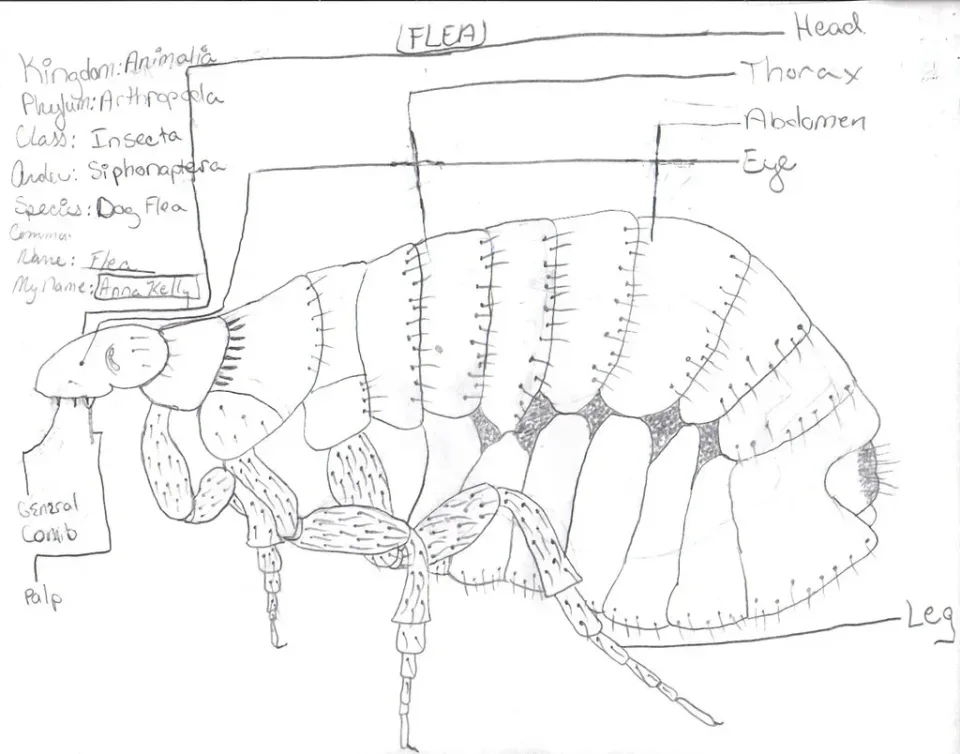
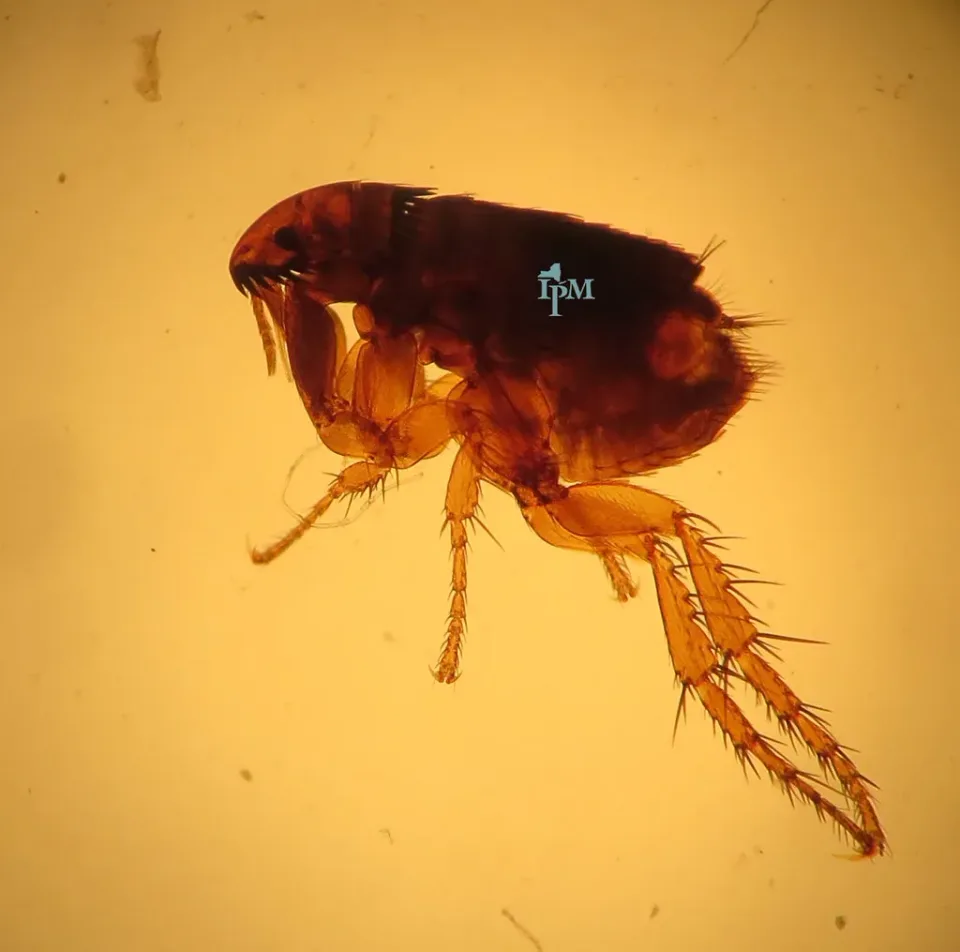
Fleas are rarely just where you see them. Adults on a pet are a small fraction of the population most are eggs, larvae, and pupae hiding in carpet fibers, pet bedding, and floor cracks. Killing only the adults you can see guarantees a rehatch, so we treat the carpet and harborage zones where the other 95% of the population actually lives.
Arizona’s climate shapes where fleas survive. In the low desert around Phoenix the same heat that sends everyone indoors to Chase Field’s air conditioning in July fleas thrive indoors year-round because homes stay warm and pets shuttle between air conditioning and dusty yards, carrying eggs into both zones.
Up in Flagstaff, freezing winters knock flea populations back outdoors, but heated homes give surviving fleas a warm refuge, so indoor infestations there persist through the snow. Wherever you are, we treat inside and the perimeter where pets rest, following the EPA pesticide product label for every application.
Call us at (855) 681-0299 and we’ll walk your layout, pet situation, and treatment scope before anything is applied.

Signs of a Flea Problem
Ankle bites around baseboards are the classic sign fleas hatch low, feed low, and bite the lowest warm target available. If you’re seeing bites after a pet moved out, a remodel kicked up dust, or a home sat empty, the pupae were simply waiting for vibration and heat to hatch.
Arizona’s rainfall pattern explains why infestation risk shifts by region. Annual precipitation varies widely with elevation: the low desert gets a concentrated monsoon burst each summer, and that sudden moisture lets flea larvae which need humidity survive in shaded yards they couldn’t tolerate in May.
In higher-elevation towns with steadier precipitation and milder summers, yard fleas build more gradually but persist longer into fall. Either way, the pattern is the same: moisture outside, eggs carried inside on pets.
Here’s a check you can do tonight: wear white socks and walk slowly through carpeted rooms and pet areas. Fleas will show as dark specks on the light fabric.
When socks keep collecting fleas, that’s the point to call Arizona Pest Pros for a source-level treatment plan.
Our Treatment Process
We start with an inspection of pet resting areas, carpet edges, baseboards, and any crawl space or under-furniture zones where larvae feed on organic debris. You’ll know the scope before treatment starts which rooms, which surfaces, and what prep we need from you, like vacuuming and washing pet bedding in hot water.
Treatment itself is a targeted application: carpets, crack-and-crevice zones along baseboards, pet resting spots, and the yard perimeter where pets travel. We use products with an insect growth regulator so eggs and larvae never reach breeding adults. Expect a rehatch window pupae can stay cocooned, so a follow-up visit is standard, not an upsell.
Arizona’s dry air actually works in our favor outdoors: low humidity speeds evaporation and desiccation, so larvae in sun-exposed yard soil die off quickly, which is why infestations concentrate in shaded, irrigated pockets rather than open desert ground. But that same dryness shortens the life of exterior treatments, so perimeter applications may need refreshing sooner than in humid climates. We time follow-ups to the hatch cycle, usually two to three weeks apart.
If you’re seeing bites again after the first visit, that’s the pupae window call and we’ll schedule the follow-up.
Why Does DIY Flea Spray Keep Failing?
Yes most store-bought flea sprays fail, and the reason is the egg cycle, not the spray. Over-the-counter adulticides kill visible adults, but pupae sealed in cocoons are untouched, and they hatch over two to three weeks. Homeowners spray again, see relief, then get bitten again in a week.
What we do differently: we use an insect growth regulator that stops eggs and larvae from maturing, applied to the actual harborage carpet edges, baseboard cracks, pet bedding zones, and shaded yard rest areas. Desert landscaping and irrigation can attract pests, and those irrigated, shaded patches around Phoenix-area yards are exactly where fleas survive the dry season and seed the house.
We explain the plan in plain language before we spray, and we schedule the follow-up before we leave. If you’re tired of the spray-and-rehatch cycle, call Arizona Pest Pros for a treatment that targets the whole lifecycle.
How to Budget for Flea Treatment in Arizona
Flea treatment pricing follows the size of the home and how deep the infestation runs. A single-room problem in a small rental costs far less than a whole-house treatment with yard zones attached.
Typical ranges we work from:
- General pest treatment: $100–$300 driven by home size and pest pressure; a single-room flea job often lands at the low end.
- Whole-home flea treatment: $150–$400 more rooms, carpeted areas, and heavier infestation push it up.
- Yard and perimeter treatment add-on: $50–$150 shaded pet rest areas and irrigated zones add scope.
- Follow-up visit: often $75–$150 needed to catch pupae that hatch after the first application.
Low-desert summers bring prolonged extreme heat, and heat accelerates the flea lifecycle, so summer infestations tend to need tighter follow-up timing than winter calls. Access matters too cleared rooms and accessible baseboards cut treatment time.
Call Arizona Pest Pros at (855) 681-0299 for a quote matched to your actual layout and infestation level.
Local Factors
Pest Control Tips for Springerville, AZ Homes
More guidance and practical advice related to Flea Treatment.
Expert Tip
What to Ask Before Hiring an Arizona Pest Control Company
Learn what to check about Arizona pest control licensing, pesticide labels, service options, preparation, and treatment records before hiring. Read our guide.
Expert TipWhy Cockroaches Gather Beneath Kitchen Sinks
Learn why roaches shelter beneath kitchen sinks, what to check for moisture and hiding places, and when to seek help in Arizona. Read our guide.
Expert TipTermite Mud Tubes on Arizona Foundations: What Do They Mean?
Learn how to assess termite shelter tubes, prepare for an inspection, and compare treatment options for Arizona foundations. Read our guide.
Common Questions
Pest Control FAQs in Springerville, AZ
How long after flea treatment can I expect to stop seeing bites?
Expect a rehatch window of one to three weeks, because flea pupae stay sealed in cocoons until vibration and heat trigger hatching. The first treatment kills adults and stops eggs from maturing, and a follow-up visit catches the late hatchers. If bites continue past the follow-up, call Arizona Pest Pros and we’ll reinspect.
Do I need to treat my yard for fleas if my pet stays indoors?
Yes if your pet walks outside at all, yard zones matter. Shaded, irrigated patches in Arizona yards let flea larvae survive the dry season, and pets carry adults straight to their bedding. We treat the pet’s actual rest areas and travel paths rather than blanket-spraying the whole yard.
Are the products used for Flea Treatment regulated in Arizona?
Yes every product we apply is registered under FIFRA pesticide registration requirements and applied per the EPA pesticide product label. Our applications follow Arizona pesticide applicator certification requirements under the Arizona Department of Agriculture, and we can walk you through the Safety Data Sheet for anything used in your home.
Can Flea Treatment be combined with rodent control if fleas keep coming back?
Yes recurring fleas with no pet in the home usually point to a wildlife or rodent source seeding the property. Pack rat or rodent nests near a foundation carry fleas that pets and people pick up. Treating the carpet alone won’t hold, so we pair flea treatment with removing the nesting source.
What should I do to prepare before a Flea Treatment appointment?
Vacuum carpets and baseboard edges thoroughly, wash pet bedding in hot water, and clear floors and under-furniture zones so baseboards are accessible. Throw the vacuum bag away outside. Treated pets should be on a veterinarian-approved flea program at the same time, or the home keeps getting reseeded.
Get a Quote
Get a Flea Treatment Plan Today
Fleas rarely arrive alone the wildlife and weather around your property matter.
Cities & Towns
Service Areas in Springerville
Select a city to find local pest control providers we cover in Springerville.
Snowflake, AZ85937Black Canyon City, AZ85324Window Rock, AZ86515Drexel Heights, AZ85757Golden Valley, AZ86413Lake of the Woods, AZ85929Coolidge, AZ85194Kearny, AZ85137Doney Park, AZ86004Cordes Lakes, AZ86333Yuma, AZ85365Anthem, AZ85086Queen Creek, AZ85142Williams, AZ86046San Manuel, AZ85631Sells, AZ85634Arizona City, AZ85193San Luis, AZ85336Bagdad, AZ86321Sacaton, AZ85147Show Low, AZ85901Sun Lakes, AZ85248Sierra Vista, AZ85650Chinle, AZ86503
Show all 152 cities
Williamson, AZ86305Sun City West, AZ85375Phoenix, AZ85009Swift Trail Junction, AZ85546Marana, AZ85653Paulden, AZ86323Catalina Foothills, AZ85750Picture Rocks, AZ85653Oro Valley, AZ85755Paradise Valley, AZ85253Mesa, AZ85208Fortuna Foothills, AZ85367Gold Canyon, AZ85118Prescott Valley, AZ86327Kachina Village, AZ86005Peoria, AZ85373Dewey-Humboldt, AZ86329Eagar, AZ85938Corona de Tucson, AZ85641Saddlebrooke, AZ85623Goodyear, AZ85139San Tan Valley, AZ85143Colorado City, AZ86021Page, AZ86040Central Heights-Midland City, AZ85501Clarkdale, AZ86324