Termite Inspection checks accessible foundation edges and wood; rainfall varies by elevation, so site scope matters. Typical inspections run $75–$200 based on property size and report scope.
Bee Removal in Arizona in Springerville, AZ
A hive tucked into a block wall or roof eave rarely goes away on its own, and every week it grows larger. Arizona Pest Pros handles bee removal across Arizona, from inspection and treatment to sealing the void so a new colony cannot move in. Our crew confirms the plan with you before any work starts.
Independent local providers Local pest control in Springerville, AZ
Check the License
Pest Control in Arizona is regulated by Arizona Department of Agriculture; ask any provider for their license number.
What a Visit Covers
A typical visit needs clear stored items from foundation walls.
Typical Price Range
General pest treatment often runs $100–$300 depending on home size and pest pressure; get a written quote first.
Scorpions Inside Bathrooms At
Scorpions inside bathrooms at night — worth a professional look when you notice it.
Service Details
What We Offer in Springerville, AZ
Scorpion treatment covers home perimeters and accessible entry areas; typical jobs run $150–$400, depending on perimeter size and access.
Cockroach Control targets kitchen and bathroom activity in homes and rentals; treatment scope and access affect the typical $100–$300 cost.
Bed bug treatment addresses affected bedrooms and furnishings; typical jobs run $300–$1,500, depending on room count and treatment method.
Wasp Nest Removal covers accessible nests and eave debris for Arizona homeowners; height, nest size, and access affect typical $150–$500 pricing.
Full-structure termite treatment for Arizona homes: soil termiticide zones, bait stations, and borate wood work, typically $500-$3,000 depending on treatment method and how far the infestation has spread.
Trapping, exclusion, and cleanup for mice, rats, and pack rats in Arizona homes. Rodent exclusion typically runs $200–$1,500 depending on entry points and repair work.
Ant Control for Arizona homes: inspection, baiting, and crack-and-crevice treatment of trails and nests, priced by colony size and access, often $100-$300.
Mosquito Control treats yard and patio areas for homeowners; typical visits run about $100–$300, depending on property size and mosquito pressure.
Tick treatment for Arizona yards and property edges typically runs $125–$350, depending on treated area and access.
Pest Identification examines insect remains, droppings, and entry evidence in homes or commercial spaces; scope and access shape the assessment fee.
Inspection, web removal, and perimeter treatment for homes with recurring spider activity. Cost runs $100-$300 depending on home size and spider pressure.
Gopher Control locates active tunnels and addresses burrowing damage in lawns and landscaped areas; typical jobs run about $150–$500, depending on yard size and access.
Flea treatment for homes and rentals: inspection, crack-and-crevice and carpet treatment, plus follow-up visits to break the egg cycle. Cost depends on home size and infestation level.
Emergency Pest Treatment in Arizona: urgent wasp, scorpion, and rodent response with inspection and same-visit treatment plans. Call (855) 681-0299.
Sealing entry points around foundations, rooflines, and utility penetrations for Arizona homes. Typical rodent exclusion runs $200 to $1,500 depending on gap count and repair work needed.
Why Springerville, AZ Homeowners Choose Arizona Pest Pros
- Local Coverage – Connecting customers with pest control providers in Springerville, AZ and nearby areas.
- Easy to Reach – Call or email to reach a local provider directly.
- Pricing by Provider – Each provider sets their own rates. Call to ask about pricing for your specific job.
- Full Service Range – Providers in our network cover Termite Inspection, Termite Treatment and more.
- Independent Providers – We connect you with third-party service professionals. Call before booking if you have questions.
Live Bee Removal in Northern Arizona
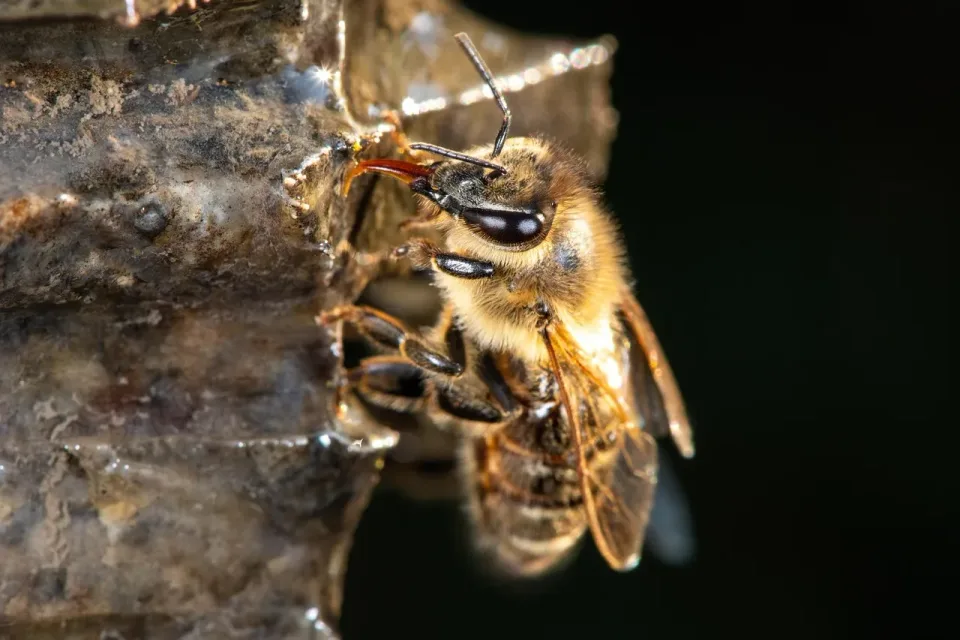
Live bee removal starts with a full inspection, not a spray from the driveway. Our crew locates the colony, confirms whether it is honey bees or Africanized stock, and maps every entry gap before we touch anything. A gap the width of a pencil is enough for bees to work with, which is why exclusion work follows every removal.
Location shapes how we plan the job. Around Prescott and the Verde Valley, colonies settle into block walls and eaves because desert landscaping and drip irrigation pull pollinators toward homes with a reliable water source.
In the low desert to the south, winters are generally mild and dry, which means colonies stay active through the season instead of dying back the way they do in colder climates so a hive left in a wall keeps growing and keeps producing honey that has to be removed, not just the bees. We treat the void, pull comb when access allows, and seal openings so a scouting swarm can’t re-colonize the same spot next season.
Call (855) 681-0299 and we’ll set a scope review, confirm the plan in plain language, then schedule the work.
How to Tell a Bee Problem from a Wasp Nest
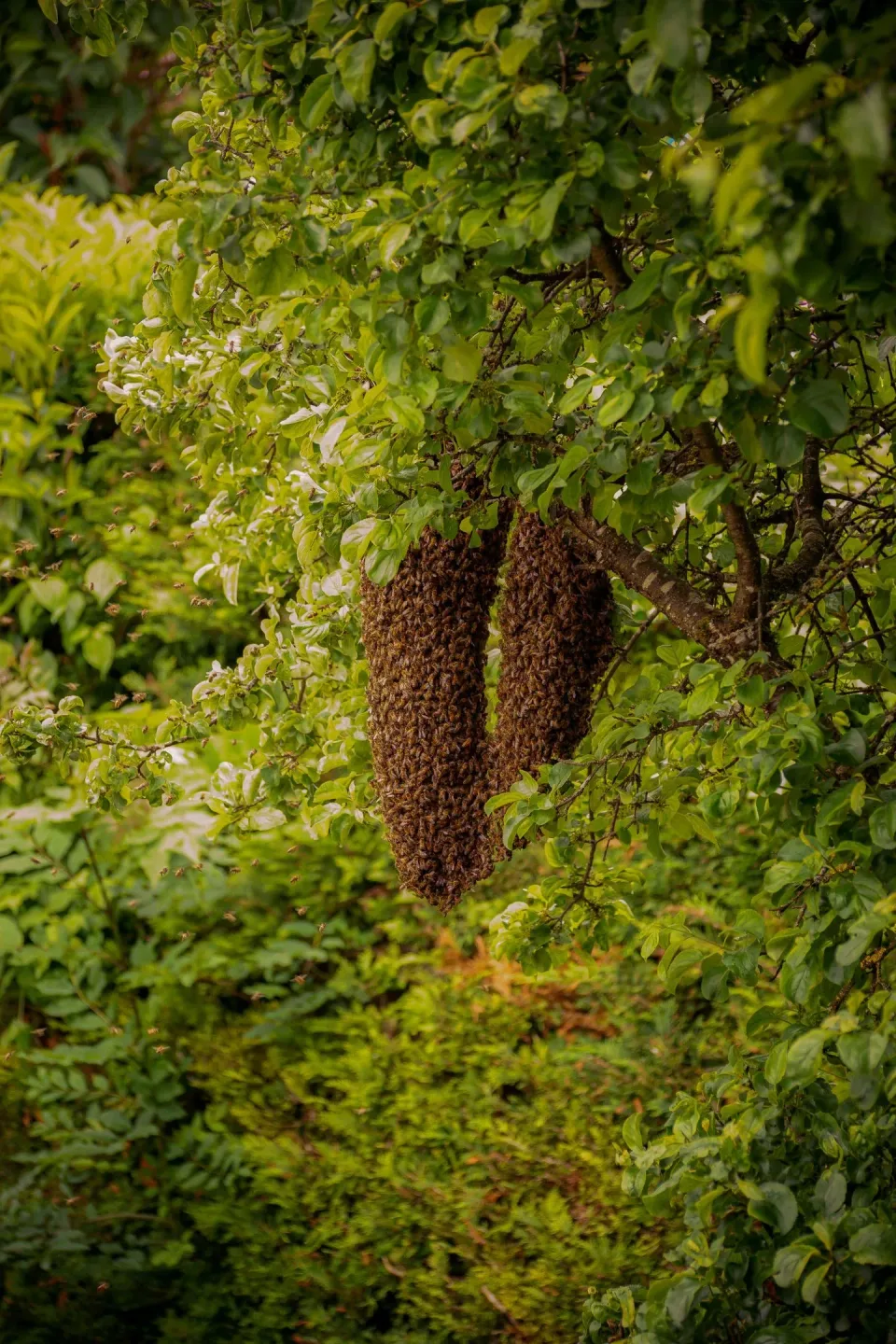
You hear steady buzzing near a block wall seam each afternoon, or bees funneling through a weep hole by the patio. Most Arizona calls we get fall into one of two patterns: a swarm resting temporarily on a tree or fence, or an established colony inside a structure with comb already built.
Swarms usually move on within a day or two, but a colony inside a wall stays and grows. Dust storms that reduce visibility and push debris indoors also push bees to seek sheltered voids, and colonies near busy spots like the Arizona State University Tempe campus or Camelback Mountain trailheads get disturbed by foot traffic. Our crew identifies the species first, then treats the void and removes comb so honey doesn’t stain drywall or attract ants later.
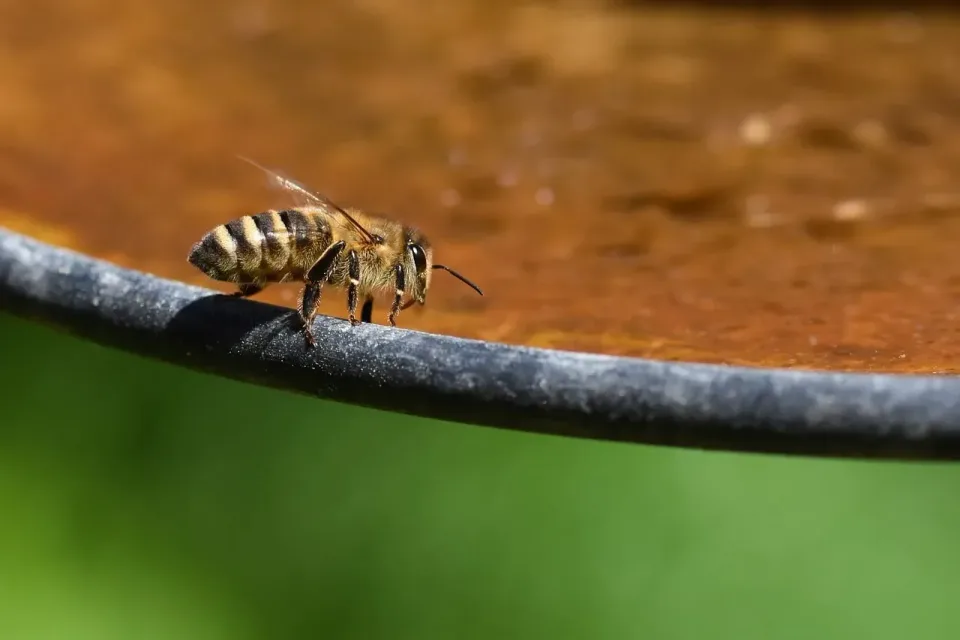
One check you can make safely: watch the flight path from a distance. Bees entering the same crack repeatedly means an established colony. When that’s what you see, bring in Arizona Pest Pros before the hive gets bigger.
How a Removal Job Runs, Step by Step
Removal work follows a fixed sequence, and skipping a step is what causes callbacks.
-
Inspection and species ID. We confirm honey bees versus wasps and locate every entry point, including ones hidden behind desert block or stucco.
-
Treatment of the colony. We apply product per the EPA pesticide product label directions, timed for when most foragers are home.
-
Comb and hive removal. Where access allows, we open the void and pull comb so honey and wax don’t melt into walls during Phoenix-area summers that regularly top 100°F.
-
Sealing and follow-up. We close entry gaps and schedule a reinspection to confirm no scouts return.
Timing matters, and monsoon season is the reason. Storms arriving July through September leave standing water in gutters, plant saucers, and low spots in the yard, and that water supports mosquito breeding within days but it also gives bees a reason to swarm and scout for new cavities, so calls spike in that window and we build the schedule around it.
Fixing drainage and dumping standing water after each storm reduces both problems at once. Most single-colony jobs finish in one visit, with the reinspection a week or two out. Call (855) 681-0299 to get on the schedule.
What Goes Wrong with DIY Bee Sprays?
Yes, a can of spray makes a wall hive worse in most cases. Killing foragers at the entrance leaves hundreds of bees, brood, and pounds of comb sealed inside the void, and dead colonies draw ants, roaches, and rodents looking for the honey.
We see three recurring failures. First, homeowners spray the entrance and the colony simply plugs it and moves deeper into the wall.
Second, comb is left in place, and melted honey soaks drywall, sometimes months later. Third, the entry gap is never sealed, so a new swarm moves into the same void the following spring.
Our crew treats the full colony, removes the comb where access allows, and does the exclusion work that keeps the void empty. We’re licensed through the Arizona Department of Agriculture and follow label requirements on every application, which matters both for safety and for Africanized bee colonies that defend aggressively.
From Old Town Scottsdale shops to Lake Havasu City homes near the London Bridge, the fix is the same: complete removal, not a surface spray. One call gets the scope confirmed before we start.
How to Budget for Bee Removal Work
Bee removal pricing comes down to three things: where the colony sits, how big it has grown, and how much demolition or sealing the job needs. An accessible hive under an eave costs far less than a colony deep inside a two-story block wall.
Typical ranges we quote in Arizona:
- Accessible eave or fence hive: roughly $150–$400, driven by hive size and ladder access.
- Wall or roof void colony with comb removal: roughly $400–$900, driven by the opening size and repair work.
- Large or established colonies needing structural access: $900–$1,500+, driven by demolition, comb volume, and sealing.
Heat shapes the work. Phoenix-area summer highs often exceed 100°F, which pushes our treatment windows to early morning and can extend comb-removal jobs, while annual rainfall that varies widely by elevation means hives near Papago Park or Walnut Canyon country establish at different rates than desert-floor properties. Final quotes vary by infestation, property access, and site conditions contact Arizona Pest Pros at (855) 681-0299 for a quote matched to your actual scope.
Local Factors
Pest Control Tips for Springerville, AZ Homes
More guidance and practical advice related to Bee Removal.
Expert Tip
What to Ask Before Hiring an Arizona Pest Control Company
Learn what to check about Arizona pest control licensing, pesticide labels, service options, preparation, and treatment records before hiring. Read our guide.
Expert TipWhy Cockroaches Gather Beneath Kitchen Sinks
Learn why roaches shelter beneath kitchen sinks, what to check for moisture and hiding places, and when to seek help in Arizona. Read our guide.
Expert TipTermite Mud Tubes on Arizona Foundations: What Do They Mean?
Learn how to assess termite shelter tubes, prepare for an inspection, and compare treatment options for Arizona foundations. Read our guide.
Common Questions
Pest Control FAQs in Springerville, AZ
How much does bee removal cost for a hive inside an Arizona wall?
Price moves with hive size, void access, and how much structural opening the job requires. Arizona Pest Pros confirms the scope on site before quoting a final number.
Can I just spray a bee hive at the entrance myself?
No, spraying the entrance usually traps bees, brood, and comb inside the wall. Dead colonies and leftover honey attract ants and roaches, and the void often gets re-colonized because the entry gap was never sealed. A licensed treatment plus comb removal and exclusion is the complete fix.
Is bee removal regulated in Arizona?
Yes. Structural pest control work falls under Arizona Revised Statutes, Title 3, Chapter 20 and Arizona Administrative Code, Title 3, Chapter 8, and any pesticide application must follow FIFRA label requirements under 7 U.S.C. § 136. Arizona Pest Pros holds an Arizona Department of Agriculture pest management business license with a Qualified Applicator on staff.
When is bee season worst in Arizona?
Yes, late summer is the peak. Swarming activity climbs when monsoon storms arrive July through September, and established colonies grow fastest through the hot months. Calling early in a swarm event, before bees move into a wall void, is the cheapest window to act.
What should I do before the bee removal crew arrives?
Take photos of the entry point and flight path from a safe distance, and note how long the activity has been going on. Clear access to the wall or eave side of the property and keep pets and kids away from the entrance. Arizona Pest Pros handles the inspection, treatment, and sealing from there.
Get a Quote
Ready to Schedule Bee Removal in Arizona?
Whether bees are entering a wall near Downtown Phoenix or a patio eave off Roosevelt Row Arts District, Arizona Pest Pros will inspect the site, confirm the plan, and seal the void call (855) 681-0299 today.
Cities & Towns
Service Areas in Springerville
Select a city to find local pest control providers we cover in Springerville.
Taylor, AZ85939Oracle, AZ85623Linden, AZ85901Douglas, AZ85608Youngtown, AZ85363Williamson, AZ86305Wellton, AZ85356Fort Defiance, AZ86504Clarkdale, AZ86324Prescott Valley, AZ86327Globe, AZ85501Sun City, AZ85373Summit, AZ85756Valencia West, AZ85757Queen Creek, AZ85142Cornville, AZ86325Sahuarita, AZ85629Avondale, AZ85353Arizona City, AZ85193Red Rock, AZ85131Gilbert, AZ85233Gold Canyon, AZ85118White Mountain Lake, AZ85912New River, AZ85086
Show all 152 cities
Window Rock, AZ86515Fountain Hills, AZ85268Eloy, AZ85131Willcox, AZ85643Safford, AZ85546Desert Hills, AZ86404Springerville, AZ85938Colorado City, AZ86021Mohave Valley, AZ86440Holbrook, AZ86025Sun Lakes, AZ85248Winslow, AZ86047Chino Valley, AZ86323Benson, AZ85602Bisbee, AZ85603Florence, AZ85132Eagar, AZ85938New Kingman-Butler, AZ86409Cordes Lakes, AZ86333Doney Park, AZ86004Tucson Estates, AZ85713El Mirage, AZ85335Sedona, AZ86336Nogales, AZ85621Prescott, AZ86305Rincon Valley, AZ85747