Termite Inspection checks accessible foundation edges and wood; rainfall varies by elevation, so site scope matters. Typical inspections run $75–$200 based on property size and report scope.
Pack Rat Removal in Arizona in Springerville, AZ
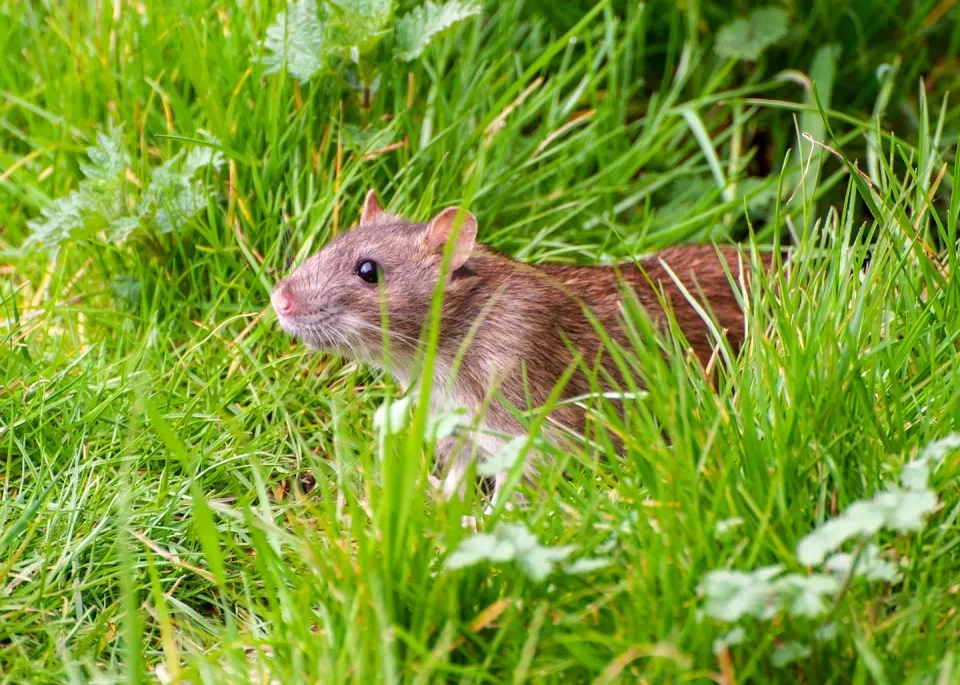
A pack rat nest under your patio grill or in the garage wall means shredded insulation, stolen wiring, and a midden that keeps growing. Arizona Pest Pros handles pack rat removal across Arizona, from Downtown Phoenix infill lots to cabins near Flagstaff Historic Downtown. We clear the nest, seal the entry, and show you what drew them in.
Independent local providers Local pest control in Springerville, AZ
Check the License
Pest Control in Arizona is regulated by Arizona Department of Agriculture; ask any provider for their license number.
What a Visit Covers
A typical visit needs clear stored items from foundation walls.
Typical Price Range
General pest treatment often runs $100–$300 depending on home size and pest pressure; get a written quote first.
Scorpions Inside Bathrooms At
Scorpions inside bathrooms at night — worth a professional look when you notice it.
Service Details
What We Offer in Springerville, AZ
Scorpion treatment covers home perimeters and accessible entry areas; typical jobs run $150–$400, depending on perimeter size and access.
Cockroach Control targets kitchen and bathroom activity in homes and rentals; treatment scope and access affect the typical $100–$300 cost.
Bed bug treatment addresses affected bedrooms and furnishings; typical jobs run $300–$1,500, depending on room count and treatment method.
Wasp Nest Removal covers accessible nests and eave debris for Arizona homeowners; height, nest size, and access affect typical $150–$500 pricing.
Full-structure termite treatment for Arizona homes: soil termiticide zones, bait stations, and borate wood work, typically $500-$3,000 depending on treatment method and how far the infestation has spread.
Trapping, exclusion, and cleanup for mice, rats, and pack rats in Arizona homes. Rodent exclusion typically runs $200–$1,500 depending on entry points and repair work.
Ant Control for Arizona homes: inspection, baiting, and crack-and-crevice treatment of trails and nests, priced by colony size and access, often $100-$300.
Mosquito Control treats yard and patio areas for homeowners; typical visits run about $100–$300, depending on property size and mosquito pressure.
Bee removal for homes and businesses: hive inspection, treatment, and void sealing so colonies don't return. Cost shifts with hive size and access.
Tick treatment for Arizona yards and property edges typically runs $125–$350, depending on treated area and access.
Pest Identification examines insect remains, droppings, and entry evidence in homes or commercial spaces; scope and access shape the assessment fee.
Inspection, web removal, and perimeter treatment for homes with recurring spider activity. Cost runs $100-$300 depending on home size and spider pressure.
Gopher Control locates active tunnels and addresses burrowing damage in lawns and landscaped areas; typical jobs run about $150–$500, depending on yard size and access.
Flea treatment for homes and rentals: inspection, crack-and-crevice and carpet treatment, plus follow-up visits to break the egg cycle. Cost depends on home size and infestation level.
Emergency Pest Treatment in Arizona: urgent wasp, scorpion, and rodent response with inspection and same-visit treatment plans. Call (855) 681-0299.
Why Springerville, AZ Homeowners Choose Arizona Pest Pros
- Local Coverage – Connecting customers with pest control providers in Springerville, AZ and nearby areas.
- Easy to Reach – Call or email to reach a local provider directly.
- Pricing by Provider – Each provider sets their own rates. Call to ask about pricing for your specific job.
- Full Service Range – Providers in our network cover Termite Inspection, Termite Treatment and more.
- Independent Providers – We connect you with third-party service professionals. Call before booking if you have questions.

Pack Rat Removal That Starts at the Harborage
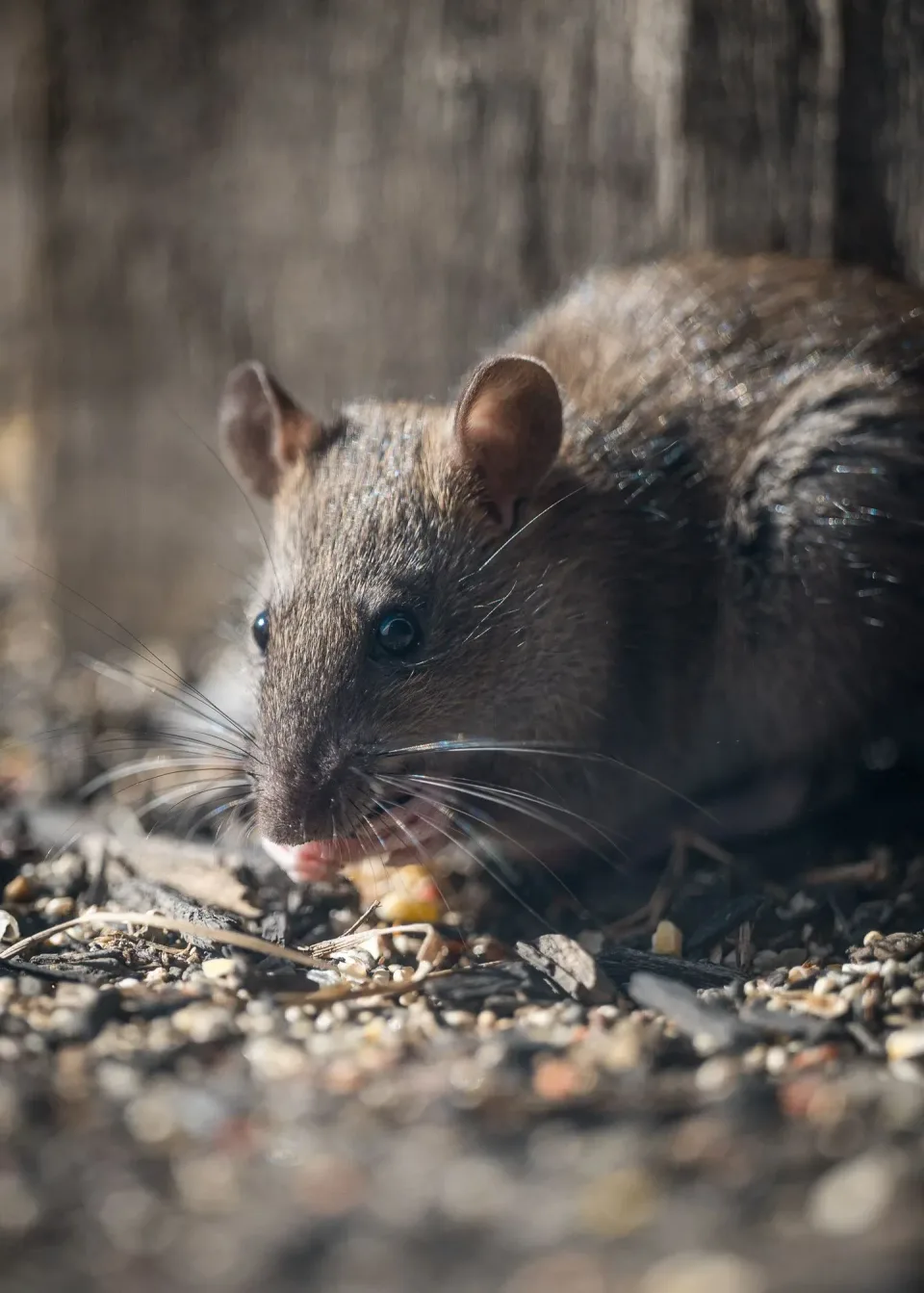
Pack rat removal starts with finding the harborage the woodpile, engine bay, or attic corner where the midden sits. Our crew traps and removes the rodents, hauls out the nest debris, and follows with exclusion work so the next pack rat does not simply move into the same opening. A pack rat needs an entry about the size of a 1/4-inch gap to start working a wall, so we inspect every weep hole, dryer vent, and garage door seal.
Flagstaff’s high-elevation winters make timing matter here. Snow and freezing temperatures push rodents toward heated wall voids and attics, and once ice or snow blocks their usual outdoor routes, they will widen a small gap rather than abandon it. That is why we seal entry points before the first hard freeze an exclusion job done in January often means opening frozen, snow-packed eaves that are far harder to repair properly.
Not every customer is in the high country, though. If you live near Sunset Crater Volcano National Monument, the surrounding lava fields and pine forest shelter dense rodent populations, and homes on the edge of that terrain see pack rats move in from the brush line as soon as nesting material and vehicle engine bays are available.
We confirm the plan with you before any trapping starts. Call (855) 681-0299 and we will walk the property, mark the entry points, and quote the scope before work begins.
Scratching in the Attic and a Midden You Can Smell
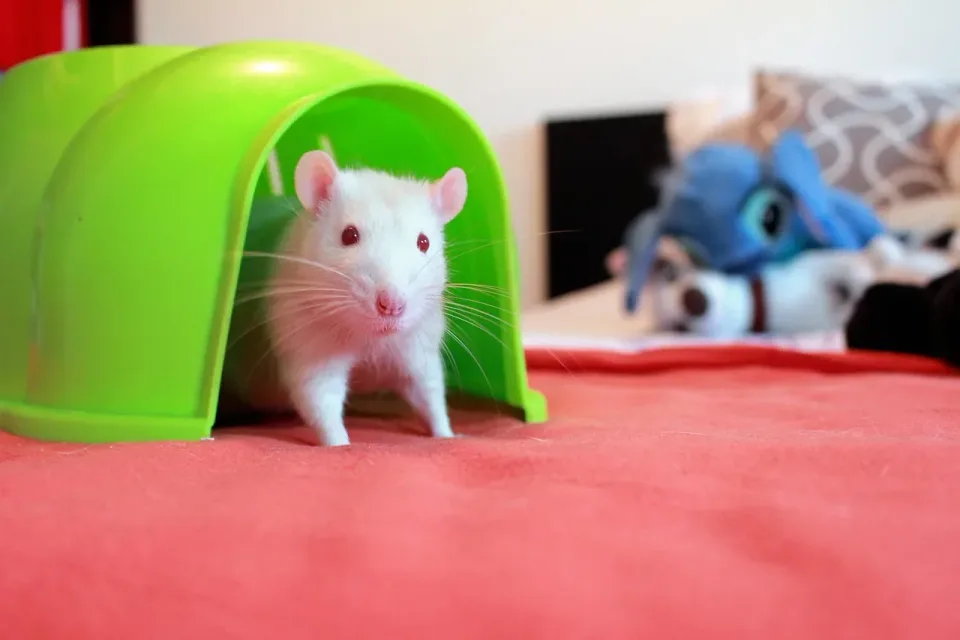
Most pack rat calls start the same way: scratching sounds inside the attic at night, and a musky odor near the garage that gets worse each week. Pack rats are hoarders they cache cactus spines, insulation, and pet food in a midden that grows until it blocks a vent or shorts wiring. Low-desert winters are generally mild and dry, so rodents never fully die back the way they do in colder states; the population just keeps working your eaves.
Monsoon downpours can cause localized flooding and roof leaks, and a damp soffit or lifted roof tile is an open invitation. We have pulled nests from cabins as far out as the rim near Grand Canyon National Park and from stucco homes around Monument Valley Navajo Tribal Country where rock outcrops sit against foundations.
Here is a check you can do tonight: park outside with the engine off and listen at the eave line for ten minutes after dark. Movement above the ceiling means harborage inside. If you hear it, we will map the entry points and clear the nest before the wiring damage gets expensive.
How to Get a Pack Rat Job from Call to Clearance
The first step is a perimeter and attic inspection, and we schedule it within a few days of your call. We look for runways, droppings, cached debris, and the actual openings then we confirm the plan with you in plain language before setting anything.
From there the work runs in sequence:
-
Trap and remove: We set traps at active runways and check them on a set schedule rather than leaving them to fail quietly.
-
Nest and midden cleanup: We bag and haul the cached debris, which often holds fleas and urine-soaked insulation.
-
Exclusion sealing: We close every entry with rodent-proof material, not foam that a pack rat chews through in a weekend.
-
Follow-up check: We return to confirm no new activity and adjust if a runway was missed.
Because annual rainfall varies widely by elevation and region, a home near Lake Powell faces different pressure than one near Camelback Mountain, and we set trap-check timing accordingly. Most jobs wrap within one to two weeks including the follow-up. If you are near Antelope Canyon or the Chapel of the Holy Corridor communities of Sedona, same sequence the timeline just shifts with access.
What Goes Wrong When You Trap Pack Rats Yourself?
Yes, DIY trapping usually fails because it clears one rat and leaves the midden and the entry open. The nest itself is the problem: it holds parasites, urine, and cached food that keeps drawing the next rodent, and a homeowner with a hardware-store trap rarely reaches the soffit or crawlspace where it sits. Summer monsoon storms typically arrive July through September, and every storm shifts roof lines and screens, reopening gaps a quick fix never covered.
Phoenix-area summer highs often exceed 100°F, which pushes roof rats and pack rats toward shaded attics and wall voids the spots you cannot see from a ladder. Our crew brings the equipment to reach them: sealed respirators for midden removal, commercial traps, and exclusion materials rated for gnawing. We also hold an Arizona Department of Agriculture pest management business license and a Qualified Applicator License, so any product used near your family follows the label exactly.
Homes in mountain communities experience longer heating seasons, and cold snaps can drive rodents into buildings so a job we seal in fall still has to hold through a Snowbowl-winter. We build for that. One call gets the scope walked and quoted.
What Drives the Price of Pack Rat Removal
Pack rat removal pricing comes down to three things: how many entry points need sealing, how much nest debris has to be hauled, and how hard the harborage is to reach. A simple garage-wall job costs far less than a full attic midden behind finished drywall.
Typical ranges we quote:
- Trapping and removal: $200–$500, driven by trap count and check visits.
- Exclusion work: $200–$1,500, driven by entry points and repair work a sealed garage door gap is quick, a soffit rebuild is not.
- Midden cleanup with sanitizing: $150–$600, driven by nest size and location.
Dry air increases evaporation and desiccation, so cached debris near homes around Papago Park or the Saguaro National Park outskirts dries hard and dusty that means containment during removal, which adds labor. Homes near Prescott Courthouse Plaza and Yuma Territorial Prison State Historic Park often sit on older framing with more openings to seal.
Every quote is confirmed before treatment starts. Contact Arizona Pest Pros at (855) 681-0299 for a final price matched to your actual scope.
Local Factors
Pest Control Tips for Springerville, AZ Homes
More guidance and practical advice related to Pack Rat Removal.
Expert Tip
What to Ask Before Hiring an Arizona Pest Control Company
Learn what to check about Arizona pest control licensing, pesticide labels, service options, preparation, and treatment records before hiring. Read our guide.
Expert TipWhy Cockroaches Gather Beneath Kitchen Sinks
Learn why roaches shelter beneath kitchen sinks, what to check for moisture and hiding places, and when to seek help in Arizona. Read our guide.
Expert TipTermite Mud Tubes on Arizona Foundations: What Do They Mean?
Learn how to assess termite shelter tubes, prepare for an inspection, and compare treatment options for Arizona foundations. Read our guide.
Common Questions
Pest Control FAQs in Springerville, AZ
How much does pack rat removal cost in Arizona?
Most jobs fall between $200 and $1,500, matching typical rodent exclusion pricing. The range moves with entry points and repair work a single garage gap is the low end, while attic midden removal plus soffit sealing reaches the top. We confirm the scope and price before starting.
Can pack rat removal near Walnut Canyon National Monument wait until winter?
No waiting usually means more wiring damage and a bigger midden. Pack rats stay active year-round in most of Arizona, and cold snaps can drive rodents into buildings in the higher country around Walnut Canyon National Monument. Trapping now, before the cache grows, keeps the cleanup and exclusion smaller and cheaper.
Should I clean up a pack rat midden myself before scheduling removal?
No dried midden dust carries urine and parasites, and sweeping it spreads them. Our crew removes nests with containment and proper respirators, then sanitizes the void. Your prep job is simpler: note where you hear activity, photograph any visible nesting at the eave line, and clear access to the garage or crawlspace hatch before we arrive.
Is pack rat trapping regulated in Arizona?
Yes commercial rodent work falls under Arizona Revised Statutes, Title 3, Chapter 20 and the Arizona Administrative Code, Title 3, Chapter 8. Those rules require a licensed business and certified applicators, and any rodenticide must be applied per its EPA pesticide product label under FIFRA. Arizona Pest Pros holds an Arizona Department of Agriculture pest management business license and uses mechanical trapping wherever practical.
Do I need pack rat removal plus pest exclusion together?
Yes removal without exclusion is a temporary fix. Clearing the midden and trapping solves this week’s problem, but sealing the entry points is what stops the next pack rat from moving into the same wall. We bundle both in one confirmed plan so the follow-up visit verifies the whole system, not just the trap count.
Get a Quote
Schedule Your Inspection Before the Next Cold Snap
Cold snaps change pack rat behavior fast.
Cities & Towns
Service Areas in Springerville
Select a city to find local pest control providers we cover in Springerville.
Sacaton, AZ85147Anthem, AZ85086Rincon Valley, AZ85747Sun City, AZ85373Phoenix, AZ85009White Mountain Lake, AZ85912Fortuna Foothills, AZ85367Bullhead City, AZ86442Avondale, AZ85353Casa Grande, AZ85194Red Rock, AZ85131Quartzsite, AZ85346South Tucson, AZ85713Mohave Valley, AZ86440Springerville, AZ85938Page, AZ86040Wickenburg, AZ85390Drexel Heights, AZ85757San Carlos, AZ85550Joseph City, AZ86032Lake of the Woods, AZ85929Cottonwood, AZ86326Peoria, AZ85373Kearny, AZ85137
Show all 152 cities
Dewey-Humboldt, AZ86329Tanque Verde, AZ85749Three Points, AZ85735Valle Vista, AZ86401Whiteriver, AZ85941San Tan Valley, AZ85143Ajo, AZ85321Apache Junction, AZ85119Mesa, AZ85208Black Canyon City, AZ85324Holbrook, AZ86025Florence, AZ85132Bagdad, AZ86321Williamson, AZ86305Vail, AZ85641Heber-Overgaard, AZ85933Whetstone, AZ85616Prescott, AZ86305Village of Oak Creek, AZ86351Carefree, AZ85377Chinle, AZ86503Litchfield Park, AZ85340Timberline-Fernwood, AZ86004Casas Adobes, AZ85704Lake Havasu City, AZ86403Beaver Dam, AZ86432