Termite Inspection checks accessible foundation edges and wood; rainfall varies by elevation, so site scope matters. Typical inspections run $75–$200 based on property size and report scope.
Pest Exclusion in Arizona in Springerville, AZ
A mouse can slip through a gap the width of a pencil, and that is exactly the kind of opening our exclusion crews hunt down. Arizona Pest Pros seals entry points around foundations, roofs, and utility lines so pests never get inside in the first place.
From Scottsdale stucco homes to Prescott cabins, we close the gaps that keep causing repeat problems. Call (855) 681-0299 for a scope review.
Independent local providers Local pest control in Springerville, AZ
Check the License
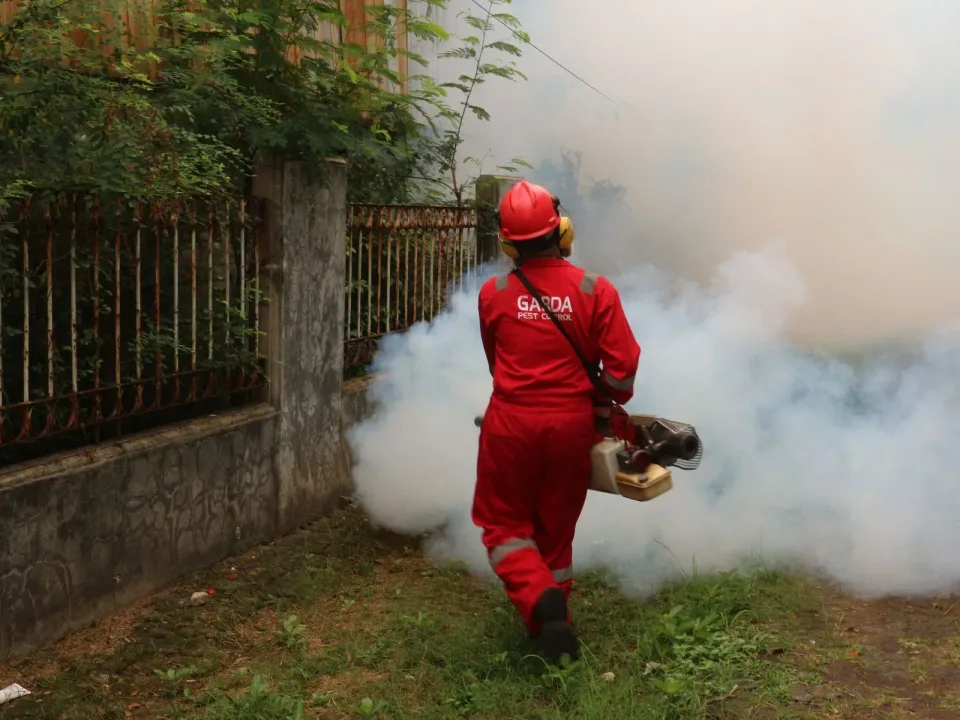
Pest Control in Arizona is regulated by Arizona Department of Agriculture; ask any provider for their license number.
What a Visit Covers
A typical visit needs clear stored items from foundation walls.
Typical Price Range
General pest treatment often runs $100–$300 depending on home size and pest pressure; get a written quote first.
Scorpions Inside Bathrooms At
Scorpions inside bathrooms at night — worth a professional look when you notice it.
Service Details
What We Offer in Springerville, AZ
Scorpion treatment covers home perimeters and accessible entry areas; typical jobs run $150–$400, depending on perimeter size and access.
Cockroach Control targets kitchen and bathroom activity in homes and rentals; treatment scope and access affect the typical $100–$300 cost.
Bed bug treatment addresses affected bedrooms and furnishings; typical jobs run $300–$1,500, depending on room count and treatment method.
Wasp Nest Removal covers accessible nests and eave debris for Arizona homeowners; height, nest size, and access affect typical $150–$500 pricing.
Full-structure termite treatment for Arizona homes: soil termiticide zones, bait stations, and borate wood work, typically $500-$3,000 depending on treatment method and how far the infestation has spread.
Trapping, exclusion, and cleanup for mice, rats, and pack rats in Arizona homes. Rodent exclusion typically runs $200–$1,500 depending on entry points and repair work.
Ant Control for Arizona homes: inspection, baiting, and crack-and-crevice treatment of trails and nests, priced by colony size and access, often $100-$300.
Mosquito Control treats yard and patio areas for homeowners; typical visits run about $100–$300, depending on property size and mosquito pressure.
Bee removal for homes and businesses: hive inspection, treatment, and void sealing so colonies don't return. Cost shifts with hive size and access.
Tick treatment for Arizona yards and property edges typically runs $125–$350, depending on treated area and access.
Pest Identification examines insect remains, droppings, and entry evidence in homes or commercial spaces; scope and access shape the assessment fee.
Inspection, web removal, and perimeter treatment for homes with recurring spider activity. Cost runs $100-$300 depending on home size and spider pressure.
Gopher Control locates active tunnels and addresses burrowing damage in lawns and landscaped areas; typical jobs run about $150–$500, depending on yard size and access.
Flea treatment for homes and rentals: inspection, crack-and-crevice and carpet treatment, plus follow-up visits to break the egg cycle. Cost depends on home size and infestation level.
Emergency Pest Treatment in Arizona: urgent wasp, scorpion, and rodent response with inspection and same-visit treatment plans. Call (855) 681-0299.
Why Springerville, AZ Homeowners Choose Arizona Pest Pros
- Local Coverage – Connecting customers with pest control providers in Springerville, AZ and nearby areas.
- Easy to Reach – Call or email to reach a local provider directly.
- Pricing by Provider – Each provider sets their own rates. Call to ask about pricing for your specific job.
- Full Service Range – Providers in our network cover Termite Inspection, Termite Treatment and more.
- Independent Providers – We connect you with third-party service professionals. Call before booking if you have questions.
What Exclusion Work Actually Involves
Exclusion starts with a measurement, not a spray tank. A mouse needs an opening about 1/4 inch wide roughly the width of a pencil to move in, and most homeowners walk past that gap a hundred times without seeing it. That is why we probe foundations, weep holes, and roofline gaps with actual tools, then document every penetration before closing it with copper mesh, exterior-rated sealant, and door sweeps.
Location changes the plan. Homes backing up to desert preserves like Camelback Mountain get rodent pressure straight off the rocky slope, so we extend the inspection to block walls and desert landscaping that touches the foundation.
In denser areas like the streets around Arizona State University’s Tempe campus, older housing stock, frequent tenant turnover, and stacked storage mean gaps go unnoticed for years there we focus on shared walls, garage thresholds, and utility chases. Same service, different entry map.
If you want a straight answer about where pests are getting in, call (855) 681-0299 and we will walk the property with you.

Why the Problem Keeps Coming Back
Arizona’s dry air is part of the problem, not just the background. Low humidity pulls moisture out of caulk joints, weatherstripping, and cured foam fast, so a seal that held three summers ago can shrink and crack open again. That is why exclusion here is not a one-time fix seals need to be rated for high-desert drying, and gaps that reappear should be caught on a follow-up inspection instead of discovered by a trail of droppings.
Density is the other pattern. In tightly packed neighborhoods like Downtown Phoenix, rodents and roaches do not have to travel far one unsealed wall gap or shared utility chase connects your kitchen to everyone else’s.
A homeowner near Papago Park called us after finding roach droppings under the sink for the third month straight; the real entry was the plumbing gap through the cabinet wall, and no amount of bait fixed it. Exclusion closes that gap permanently instead of feeding the population. If these patterns sound familiar, we can walk the property and mark every gap worth sealing.
How We Seal a Home, Step by Step
The first step is a full perimeter inspection, done before quoting anything. We check the foundation line, roofline, garage door seals, and every utility penetration, then hand you a written list of gaps ranked by severity. Most inspections take under two hours.
Next comes the sealing itself: copper mesh in larger voids so rodents cannot chew through, exterior-grade sealant on smaller gaps, and replacement of worn door sweeps. Climate determines the materials.
In the low desert, where winters are generally mild and dry, our main enemy is sun-baked sealant that cracks so we use UV-stable products. In high-elevation towns like Flagstaff, where winters bring snow and repeated freeze-thaw cycles, older seals crack along the frost line, so we match sealant flexibility to the temperature swings the roof actually sees.
Finally, we schedule a reinspection usually 30 days out to confirm nothing has chewed back in. Monsoon season matters here too: a downpour that causes a roof leak or pooled water at the foundation often opens a new entry point, so we recheck roofline and drainage seals after heavy storms. Our guide to sealing entry points yourself covers what homeowners can safely handle and what needs a crew.
Why DIY Sealing Usually Fails
The most common DIY failure we see is a can of spray foam shot into a gap around a utility line. Rodents chew through it in a night, and now the homeowner has paid twice. A crew that does exclusion daily knows which gaps need copper mesh backing, which need metal flashing, and which need nothing at all.
Timing matters more than most people realize. Cold snaps even brief desert ones drive rodents indoors fast, and a gap that seemed harmless all summer becomes an emergency the first freezing night.
Sealing after the invasion has started creates a different problem: close an active entry wrong and you trap a rodent inside your wall, where it dies and smells for weeks. We identify active entries versus dormant ones before sealing anything.
There is also a ladder problem. Roofline gaps and soffit damage are where roof rats actually enter, and most homeowners will not get up there safely. Our teams carry the ladders, harnesses, and inspection cameras to find and close those openings. If you have already tried and the scratching returned, call Arizona Pest Pros for a proper gap survey.
What Drives Exclusion Pricing in Arizona
Exclusion pricing comes down to two things: how many gaps there are and how hard they are to reach. A single-story home with three foundation gaps is a quick job. A two-story home with roofline damage, soffit gaps, and a crawlspace entry is a different animal entirely.
Typical ranges for Arizona homes:
-
Rodent exclusion: $200 to $1,500, driven by the number of entry points and the repair work each one needs.
-
General pest-proofing add-ons: $100 to $300 for door sweeps, weep hole screens, and minor gap sealing during a standard service visit.
-
Roofline and soffit work: priced higher because of ladder access and material costs, quoted after inspection.
Homes near State Farm Stadium in Glendale and older neighborhoods around the University of Arizona often have aging stucco and settled foundations, which means more gaps to close. Summer heat above 100 degrees sends roof rats and insects looking for shelter, so demand spikes and scheduling fills fast. Call (855) 681-0299 for a quote matched to your actual gap count.
Local Factors
Pest Control Tips for Springerville, AZ Homes
More guidance and practical advice related to Pest Exclusion.
Expert Tip
What to Ask Before Hiring an Arizona Pest Control Company
Learn what to check about Arizona pest control licensing, pesticide labels, service options, preparation, and treatment records before hiring. Read our guide.
Expert TipWhy Cockroaches Gather Beneath Kitchen Sinks
Learn why roaches shelter beneath kitchen sinks, what to check for moisture and hiding places, and when to seek help in Arizona. Read our guide.
Expert TipTermite Mud Tubes on Arizona Foundations: What Do They Mean?
Learn how to assess termite shelter tubes, prepare for an inspection, and compare treatment options for Arizona foundations. Read our guide.
Common Questions
Pest Control FAQs in Springerville, AZ
Can pests really get through gaps that small?
Yes. A mouse needs an opening of only about 1/4 inch to enter a structure, roughly the width of a pencil. During an exclusion inspection we measure and flag every gap that size or larger along the foundation, roofline, and utility penetrations.
How much does rodent exclusion cost in Arizona?
A quick foundation-seal job sits at the low end; roofline and soffit work with ladder access sits higher. Arizona Pest Pros quotes after inspecting so the number matches your actual gaps.
Should I combine pest exclusion with regular pest control service?
Yes, in most cases. Exclusion closes the doors while ongoing perimeter treatments handle whatever is already outside, which is the core of integrated pest management. Sealing without treatment leaves existing populations inside, and treating without sealing invites the next wave in through the same gap.
Is pest exclusion regulated like other pest control work in Arizona?
Yes. Structural pest work falls under Arizona Revised Statutes, Title 3, Chapter 20 and the Arizona Administrative Code, Title 3, Chapter 8, and technicians performing it must hold certification through the Arizona Department of Agriculture. Arizona Pest Pros operates under those licensing requirements on every exclusion job.
What should I do before an exclusion crew arrives?
Take photos of any gaps you have already spotted, note where you have seen droppings or heard scratching, and clear clutter away from foundation walls so the inspection line is visible. If you have tried sealing anything yourself, tell us where we check those patches first because DIY foam and caulk often hide an active entry.
Get a Quote
Get a Written Exclusion Plan
Where your home sits determines where pests come from, and our plan reflects that.
Cities & Towns
Service Areas in Springerville
Select a city to find local pest control providers we cover in Springerville.
Three Points, AZ85735El Mirage, AZ85335Sacaton, AZ85147Phoenix, AZ85009Sells, AZ85634Rincon Valley, AZ85747Tucson Mountains, AZ85743Bullhead City, AZ86442Cave Creek, AZ85331Prescott Valley, AZ86327Tuba City, AZ86045Holbrook, AZ86025Pima, AZ85543Red Rock, AZ85131Casa Grande, AZ85194Pinetop-Lakeside, AZ85935Blackwater, AZ85147San Tan Valley, AZ85143Casas Adobes, AZ85704Central Heights-Midland City, AZ85501Sedona, AZ86336Dewey-Humboldt, AZ86329Payson, AZ85541Mohave Valley, AZ86440
Show all 152 cities
Joseph City, AZ86032Lake Montezuma, AZ86335Springerville, AZ85938Camp Verde, AZ86322Bisbee, AZ85603Fortuna Foothills, AZ85367New River, AZ85086Valle Vista, AZ86401Sun City, AZ85373Parker, AZ85344Green Valley, AZ85622Avondale, AZ85353Sahuarita, AZ85629Cornville, AZ86325Corona de Tucson, AZ85641Beaver Dam, AZ86432Vail, AZ85641Flagstaff, AZ86011Tucson, AZ85705Guadalupe, AZ85283Avenue B and C, AZ85364Swift Trail Junction, AZ85546Youngtown, AZ85363Catalina Foothills, AZ85750South Tucson, AZ85713Clarkdale, AZ86324