Termite Inspection checks accessible foundation edges and wood; rainfall varies by elevation, so site scope matters. Typical inspections run $75–$200 based on property size and report scope.
Scratching in an Arizona Attic at Night: Rodent or Pack Rat?
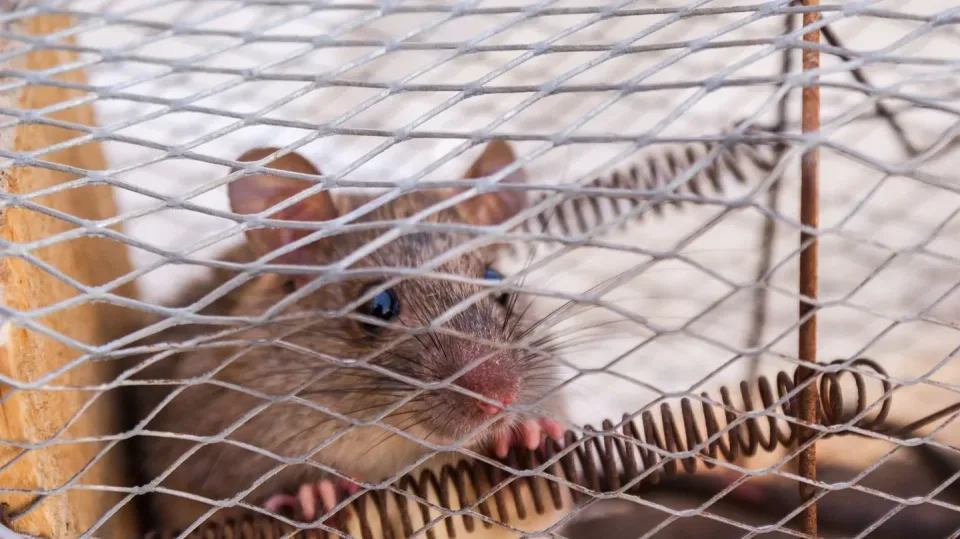
Is That Attic Noise a Mouse or a Pack Rat?
Scratching overhead after dark usually means rodents have moved into your attic, and the sound pattern itself gives you the first clue. Mice and roof rats tend to make quick, light scurrying runs along rafters, while pack rats drag heavier material and sound slower and lumpier.
That difference matters because pack rats build stick-and-debris nests called middens, which change how we trap and clean up. Our crew handles rodent monitoring and trapping across Apache County, and we’ve pulled enough nesting material out of attics near the Arizona State University Tempe campus area to know the sounds rarely lie. Here’s a quick comparison:
| Sound | Likely culprit | Typical sign |
|---|---|---|
| Fast light skittering | Mice | Small droppings, gnaw marks |
| Slower thumping runs | Roof rats | Grease trails on rafters |
| Dragging and rustling | Pack rats | Sticks, shiny objects piled |
| Single-night burst | One wanderer | Check again in a week |
If the noise repeats nightly, it’s a resident, not a passerby.
What Do the Sounds and Signs Actually Tell You?
A mouse can squeeze through a gap about 1/4 inch wide roughly the thickness of a pencil. That single fact explains most attic invasions we inspect in Arizona, because stucco and block homes develop hairline openings where the roofline meets the wall. Rodent entry point sealing is the step people skip: they trap the animal, then wonder why scratching returns by fall.
Timing and weight are your best clues. Mice run in short bursts and stay quiet by day.
Roof rats climb, so you’ll hear them higher, near the roof sheathing, especially in low-desert neighborhoods where summer highs often exceed 100°F and roof rats and insects seek shelter from the heat. Pack rats are noisier hoarders dragging sticks, cactus joints, and insulation into a pile.
Open the attic access with a flashlight and look for droppings, shredded material, and runways along joists. The University of Arizona’s Cooperative Extension publishes identification guides we point homeowners to, and desert landscaping and irrigation near the foundation can attract the rodents that then move upward.
Why Do Arizona Homes Keep Getting Reinfested?
Northern Arizona freeze-thaw cycles stress exterior materials, opening new gaps each season we see this around Flagstaff, where neighbors heading up to Arizona Snowbowl come home to fresh scratching after a cold snap. Cold snaps drive rodents into buildings, and intense sun degrades exposed sealants, so a foam gap filled three years ago may already be crumbling. Rodent control that lasts pairs trapping with exclusion: seal steel mesh over openings, trim vegetation off the roofline, and check the attic twice a year.
When Should You DIY and When Should You Call a Pro?
One mouse and a clean, accessible attic? Snap traps along runways can work.
But call a professional if you hear activity in several directions, find a pack rat midden, or see droppings in insulation you’d have to handle yourself dried droppings carry airborne risks, and we use a HEPA-grade approach during cleanup. We pair Bell Laboratories bait stations and traps with exclusion work so the fix holds.
Read our guide to sealing pest entry points yourself or start with rodent control service. If you’re unsure what’s up there, pest identification from photos of droppings or damage is a fast first step.
Which Rodent Removal Option Fits Your Attic Problem?
A homeowner in the Valley hears dragging sounds after a cold snap drives rodents indoors and wants to know whether to trap, seal, or do both. Yes you usually need both: trapping removes the current resident, and an exclusion seal keeps the next one out. Here’s how the common approaches compare:
| Option | Best for | Key detail |
|---|---|---|
| Snap/multiple-catch traps | 1–3 mice, accessible attic | Check daily; place along runways |
| Bait stations | Ongoing pressure, exterior perimeter | Indoor and outdoor sizes; tamper-resistant |
| Full inspection + plan | Unknown culprit, recurring noise | Accessible interior and exterior scope |
Timing matters more than most people expect. Phoenix-area summer highs often exceed 100°F, pushing roof rats toward cool attics, while winter cold snaps do the same from the other direction.
Dry air increases evaporation, so desert yards with irrigation draw rodents toward water sources near your foundation trim that harborage back before you spend a dollar on traps. Ask any provider whether the quote includes sealing, not just removal.
How Do You Prepare for a Rodent Inspection?
Preparation cuts an attic inspection from a half day to an hour, and it starts before we arrive. Whether you’re near Flagstaff’s snowy winters or the low desert’s mild winters, the prep list is the same:
-
Clear the attic access: Move storage boxes away from the hatch and pull-down ladder so we can get in fast.
-
Provide access to crawl spaces and attic: Unlock the garage, attic, and any side gates before the appointment window.
-
Secure pets during the visit: Board dogs and cover tanks traps and bait stations are not pet toys.
-
Note what you’ve heard: Write down the times and locations of scratching; two nights of notes beats a week of guessing.
-
Disclose well locations and septic systems: Important if exterior baiting or follow-up treatment is planned.
-
Plan re-entry timing: Stay out during any label-required interval after product application.
Extermination services work best when the technician can see the whole space. In mountain towns where winters bring snow and freezing temperatures, schedule inspections before the first hard freeze rodents move indoors early.
From the Grand Canyon National Park corridor down to the desert floor, the homes that stay quiet are the ones prepped properly. One practical habit: check the roofline each fall.
Common Questions About Pest Control in Arizona
What Does It Mean If the Scratching in My Attic Only Happens After Monsoon Storms Between July and September?
Yes storm timing is a real clue. Summer monsoon storms typically arrive July through September, and roof leaks or new gaps opened by wind and water push rodents to drier spots in your attic. We check the roofline and any leak stains during inspection, because fixing the moisture point matters as much as removing the animal.
How Much Does Rodent Exclusion Cost for an Arizona Attic with Pack Rats?
Rodent exclusion runs $200–$1,500, driven by how many entry points we find and how much repair work the openings need. A single roofline gap sits at the low end; a home with multiple failed seals and a pack rat midden to remove sits higher. We quote after inspection so you know the driver behind the number.
Can I Seal Rodent Entry Points Myself or Should I Call a Pro?
Yes, you can handle small, visible gaps yourself with steel mesh and quality sealant remember a mouse fits through about 1/4 inch, so be thorough. Call Arizona Pest Pros when the scratching continues after sealing, when you can’t see the whole roofline safely, or when a pack rat midden needs removal and disinfection.
Is Professional Pest Control in Arizona Regulated, and What Should I Verify Before Hiring?
Yes structural pest control is regulated under Arizona Revised Statutes, Title 3, Chapter 20 and Arizona Administrative Code, Title 3, Chapter 8. Applicators must meet Arizona pesticide applicator certification requirements, and products fall under FIFRA pesticide-label requirements, 7 U.S.C.
§ 136. Ask any company for their Arizona Department of Agriculture business license number before work begins.
After Rodent Control Clears My Attic, DO I Need Other Pest Services?
Often yes pack rat nests and rodent runways attract parasites. Flea treatment and tick control are common follow-ups when rodents nested in insulation, since their fleas look for a new host once the rodent is gone.
Ready to Get Help with the Scratching Overhead?
You’ve heard the scratching three nights running and found droppings near the attic hatch that’s a resident rodent, and it won’t leave on its own. Start with a pest prevention home inspection: we map entry points, identify the species from droppings and nesting material, and quote trapping plus exclusion in one visit.
Many homeowners also ask about pest prevention without an exterminator, and honest answer: trimming vegetation and sealing visible gaps helps, but a pack rat midden or a multi-entry infestation needs professional hands. We schedule a follow-up visit after trapping to confirm the attic is quiet and the seals are holding local conditions, from Sedona’s red rock country to the desert floor, change what we recommend.
Call Arizona Pest Pros at (833) 630-2144 or request a quote through our rodent control page. Quick checklist before you call: note the noise schedule, photograph any droppings, and clear the attic hatch.
Services Offered
Services We Offer in Springerville, AZ
Explore related services available in Springerville, AZ.
Scorpion treatment covers home perimeters and accessible entry areas; typical jobs run $150–$400, depending on perimeter size and access.
Cockroach Control targets kitchen and bathroom activity in homes and rentals; treatment scope and access affect the typical $100–$300 cost.
Bed bug treatment addresses affected bedrooms and furnishings; typical jobs run $300–$1,500, depending on room count and treatment method.
Wasp Nest Removal covers accessible nests and eave debris for Arizona homeowners; height, nest size, and access affect typical $150–$500 pricing.
Full-structure termite treatment for Arizona homes: soil termiticide zones, bait stations, and borate wood work, typically $500-$3,000 depending on treatment method and how far the infestation has spread.
Trapping, exclusion, and cleanup for mice, rats, and pack rats in Arizona homes. Rodent exclusion typically runs $200–$1,500 depending on entry points and repair work.
Ant Control for Arizona homes: inspection, baiting, and crack-and-crevice treatment of trails and nests, priced by colony size and access, often $100-$300.
Mosquito Control treats yard and patio areas for homeowners; typical visits run about $100–$300, depending on property size and mosquito pressure.
Bee removal for homes and businesses: hive inspection, treatment, and void sealing so colonies don't return. Cost shifts with hive size and access.
Tick treatment for Arizona yards and property edges typically runs $125–$350, depending on treated area and access.
Pest Identification examines insect remains, droppings, and entry evidence in homes or commercial spaces; scope and access shape the assessment fee.
Inspection, web removal, and perimeter treatment for homes with recurring spider activity. Cost runs $100-$300 depending on home size and spider pressure.
Gopher Control locates active tunnels and addresses burrowing damage in lawns and landscaped areas; typical jobs run about $150–$500, depending on yard size and access.
Flea treatment for homes and rentals: inspection, crack-and-crevice and carpet treatment, plus follow-up visits to break the egg cycle. Cost depends on home size and infestation level.
Emergency Pest Treatment in Arizona: urgent wasp, scorpion, and rodent response with inspection and same-visit treatment plans. Call (855) 681-0299.
Cities & Towns
Service Areas in Springerville
Select a city to find local pest control providers we cover in Springerville.
Picture Rocks, AZ85653Fort Mohave, AZ86426Oracle, AZ85623Glendale, AZ85301Pinetop-Lakeside, AZ85935Taylor, AZ85939Summit, AZ85756Maricopa, AZ85138Linden, AZ85901Vail, AZ85641Casas Adobes, AZ85704Swift Trail Junction, AZ85546Catalina, AZ85739Guadalupe, AZ85283Surprise, AZ85361Flagstaff, AZ86011Tucson Mountains, AZ85743Carefree, AZ85377Citrus Park, AZ85355Avenue B and C, AZ85364Three Points, AZ85735Prescott, AZ86305Kayenta, AZ86033Tucson Estates, AZ85713
Show all 152 cities
Florence, AZ85132Williamson, AZ86305Corona de Tucson, AZ85641Black Canyon City, AZ85324Apache Junction, AZ85119Doney Park, AZ86004Rio Verde, AZ85263Central Heights-Midland City, AZ85501Superior, AZ85173Pima, AZ85543Green Valley, AZ85622Rio Rico, AZ85640San Manuel, AZ85631Verde Village, AZ86326Somerton, AZ85350Eagar, AZ85938Lake of the Woods, AZ85929Tolleson, AZ85353Sells, AZ85634Phoenix, AZ85009Benson, AZ85602Chandler, AZ85248Whetstone, AZ85616Flowing Wells, AZ85705Kingman, AZ86409Village of Oak Creek, AZ86351
Get a Quote
Get a Pest Control Quote in Springerville, AZ
Share job details below or call our team directly. Phone: (855) 681-0299